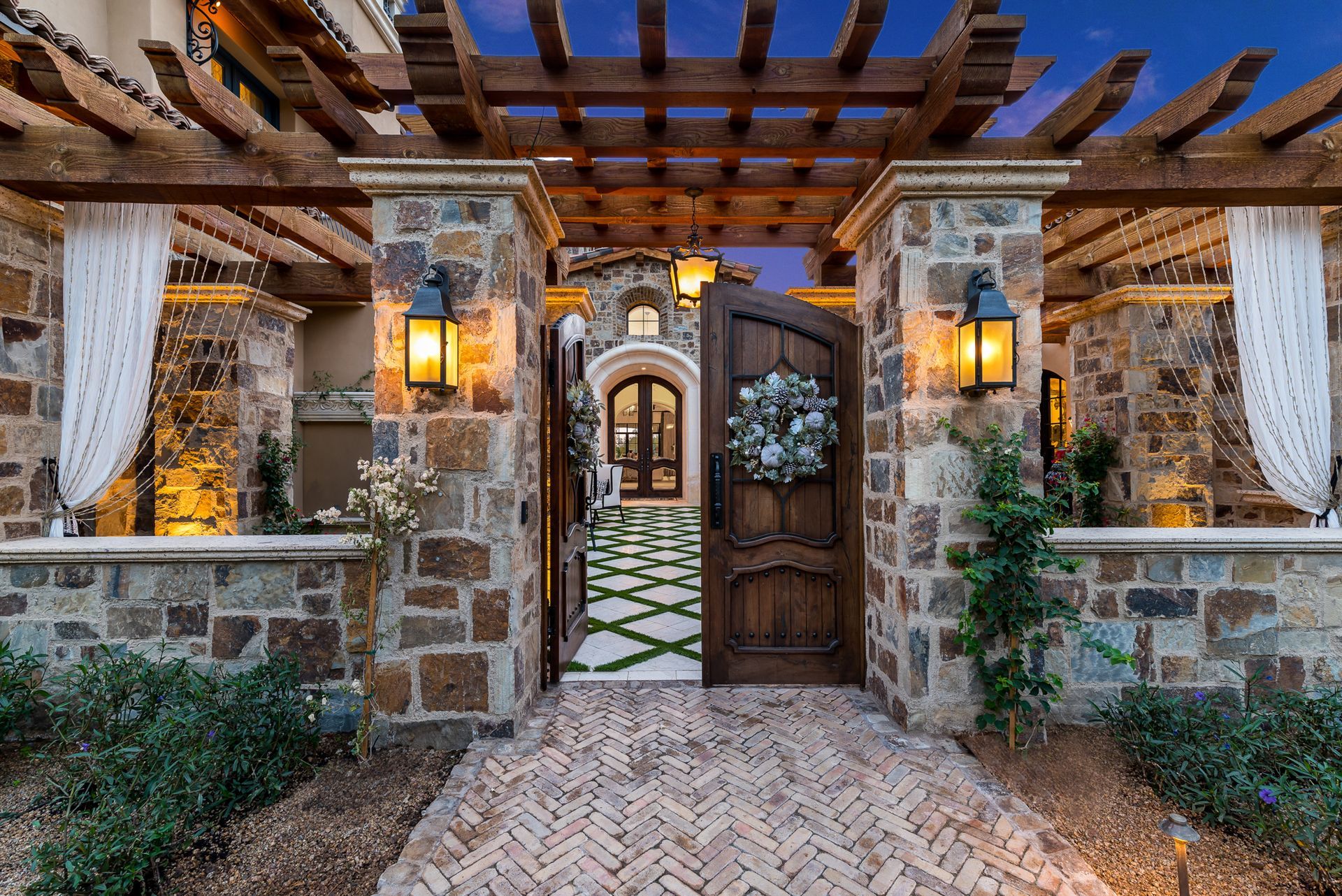


A Guide to Modern Architectural Design

Fratantoni Design • June 21, 2024

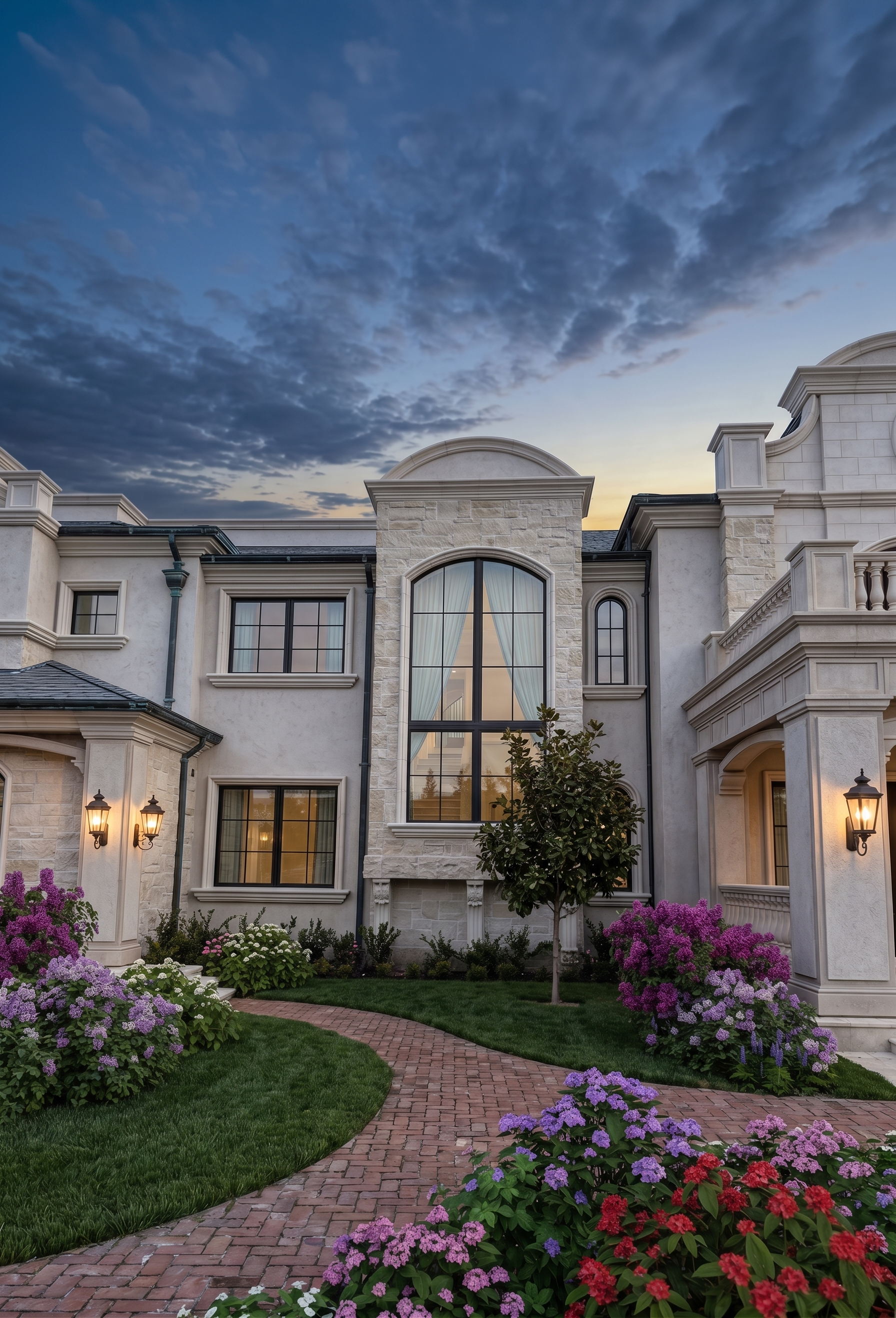
What is modern architecture? Modern architectural design is characterized by its innovative approaches, sustainable practices, and integration of advanced technologies. Whether you’re a professional architect, an aspiring designer, or simply interested in understanding contemporary buildings, here’s a concise guide to navigating the principles and trends of modern architecture.
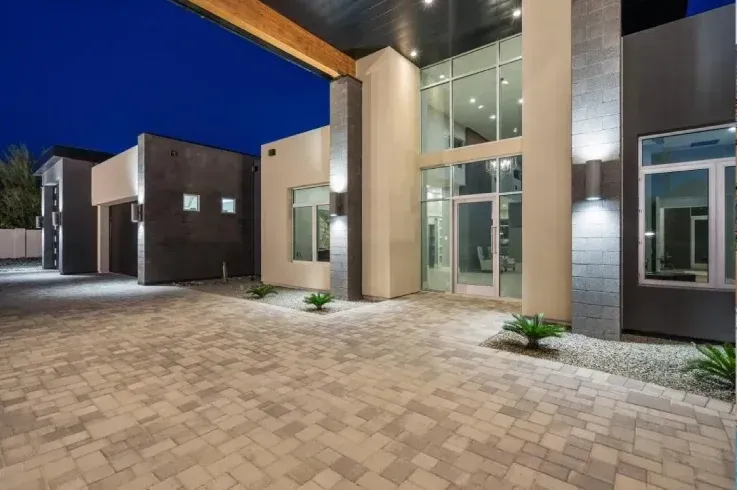
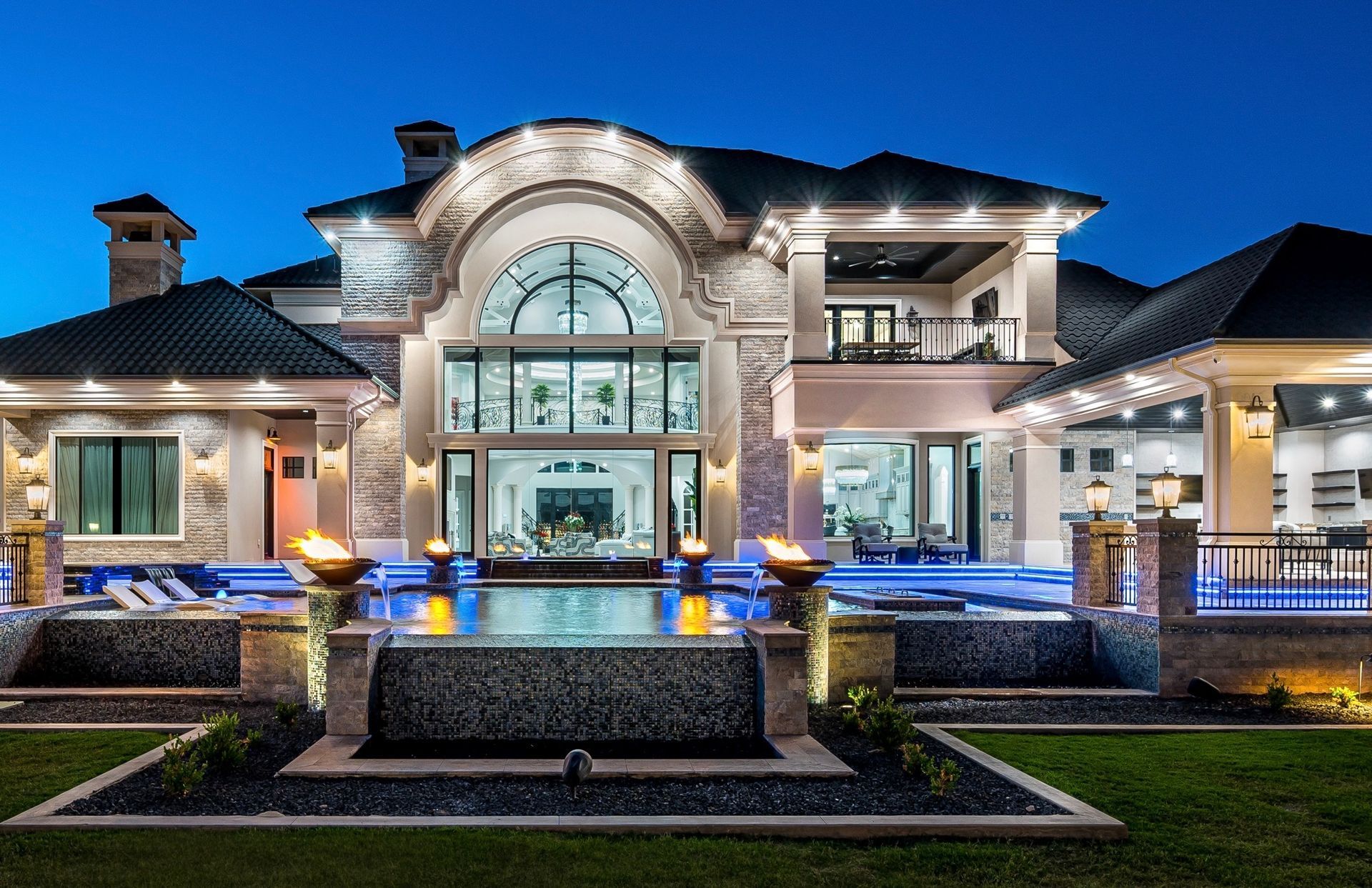
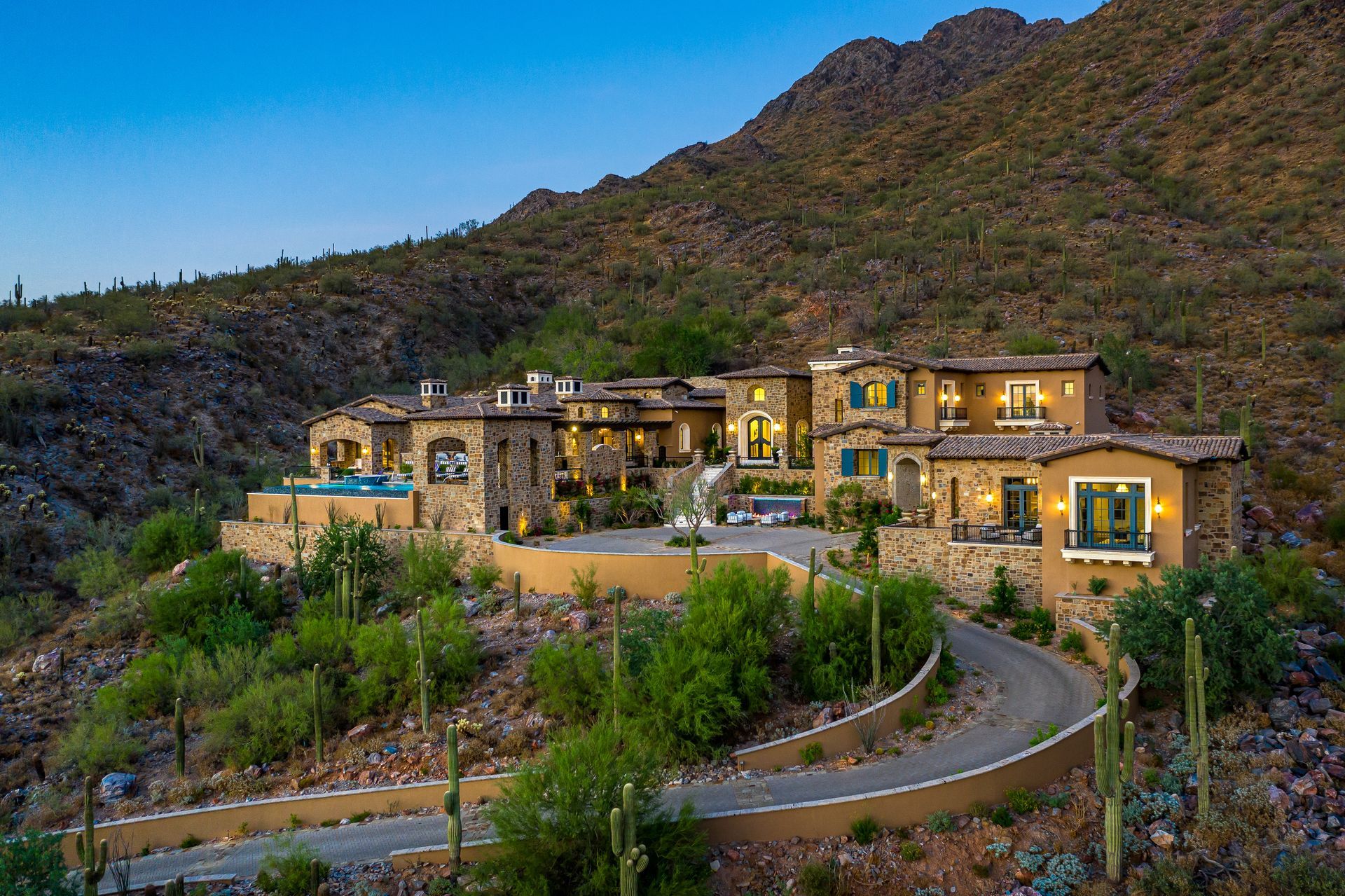
A large house with a lot of windows and a driveway at night.

8 Ways to Achieve a Modern Home

1. Embrace Minimalism and Clean Lines:

Modern architecture often favors simplicity and clean lines over intricate ornamentation. The focus is on creating spaces that feel open, uncluttered, and visually appealing. This aesthetic promotes a sense of calm and order, utilizing materials like glass, steel, and concrete to achieve a sleek and minimalist look.

2. Prioritize Functionality and Efficiency:

Functionality is paramount in modern design. Buildings are meticulously planned to serve their intended purposes efficiently. Spaces are often flexible and adaptable, capable of accommodating changing needs and lifestyles. Efficiency is also key, with a strong emphasis on sustainable practices to minimize environmental impact.

3. Integrate Advanced Materials and Technology:

Modern architecture leverages advancements in materials and technology to push design boundaries. From sustainable materials like recycled steel and bamboo to innovative building techniques such as prefabrication and modular construction, architects are exploring new ways to enhance durability, energy efficiency, and aesthetic appeal.

4. Foster Connection with Nature:

Biophilic design principles are increasingly prevalent in modern architecture. These principles emphasize creating connections between indoor and outdoor spaces, incorporating natural light, ventilation, and greenery to enhance well-being and reduce reliance on artificial resources. Green roofs, vertical gardens, and passive design strategies are common features.

5. Incorporate Sustainable Practices:

Sustainability lies at the heart of modern architectural design. Architects strive to minimize the environmental footprint of buildings through strategies like passive solar design, rainwater harvesting, the use of renewable energy sources such as solar panels and geothermal heating, and by incorporating energy-efficient HVAC systems supported by reliable HVAC services to ensure long-term performance and efficiency.

6. Embrace Cultural Context and Innovation:

Modern architecture celebrates cultural diversity and context. Architects draw inspiration from local traditions, climate conditions, and social dynamics to create designs that resonate with their surroundings while embracing contemporary trends and global influences. This synthesis of tradition and innovation fosters unique and contextually relevant architectural solutions.

7. Utilize Digital Tools and Design Processes:

Advancements in digital tools, such as Building Information Modeling (BIM) software and 3D visualization technologies, have revolutionized the design and construction process. These tools enable architects to create, analyze, and refine designs with precision, enhancing collaboration and efficiency throughout the project lifecycle.

8. Promote Social Interaction and Community Engagement:

Modern architecture aims to create spaces that foster social interaction and community engagement. From mixed-use developments that combine residential, commercial, and recreational spaces to public buildings designed as cultural hubs, architects play a crucial role in shaping environments that support vibrant and inclusive communities.
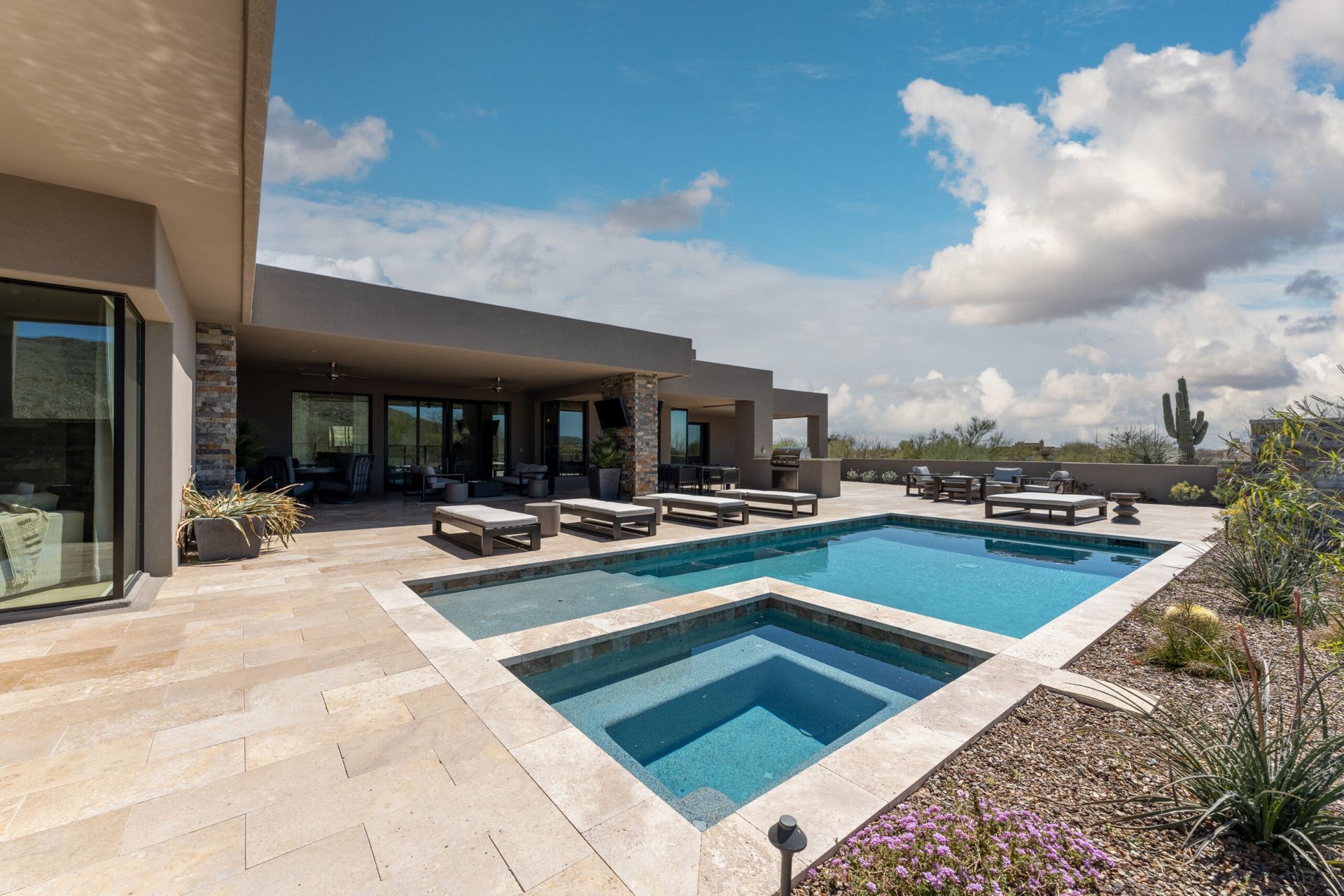
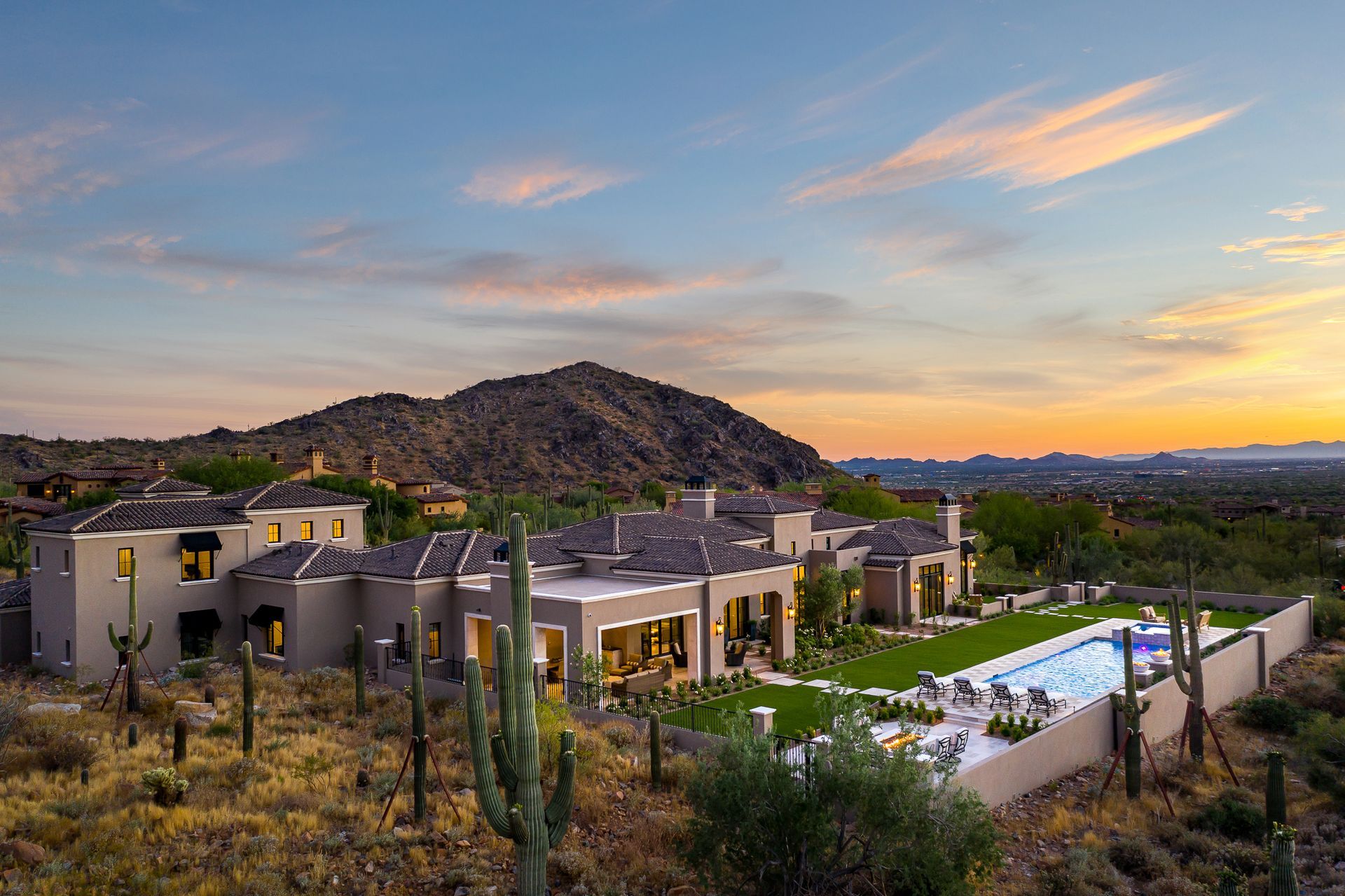
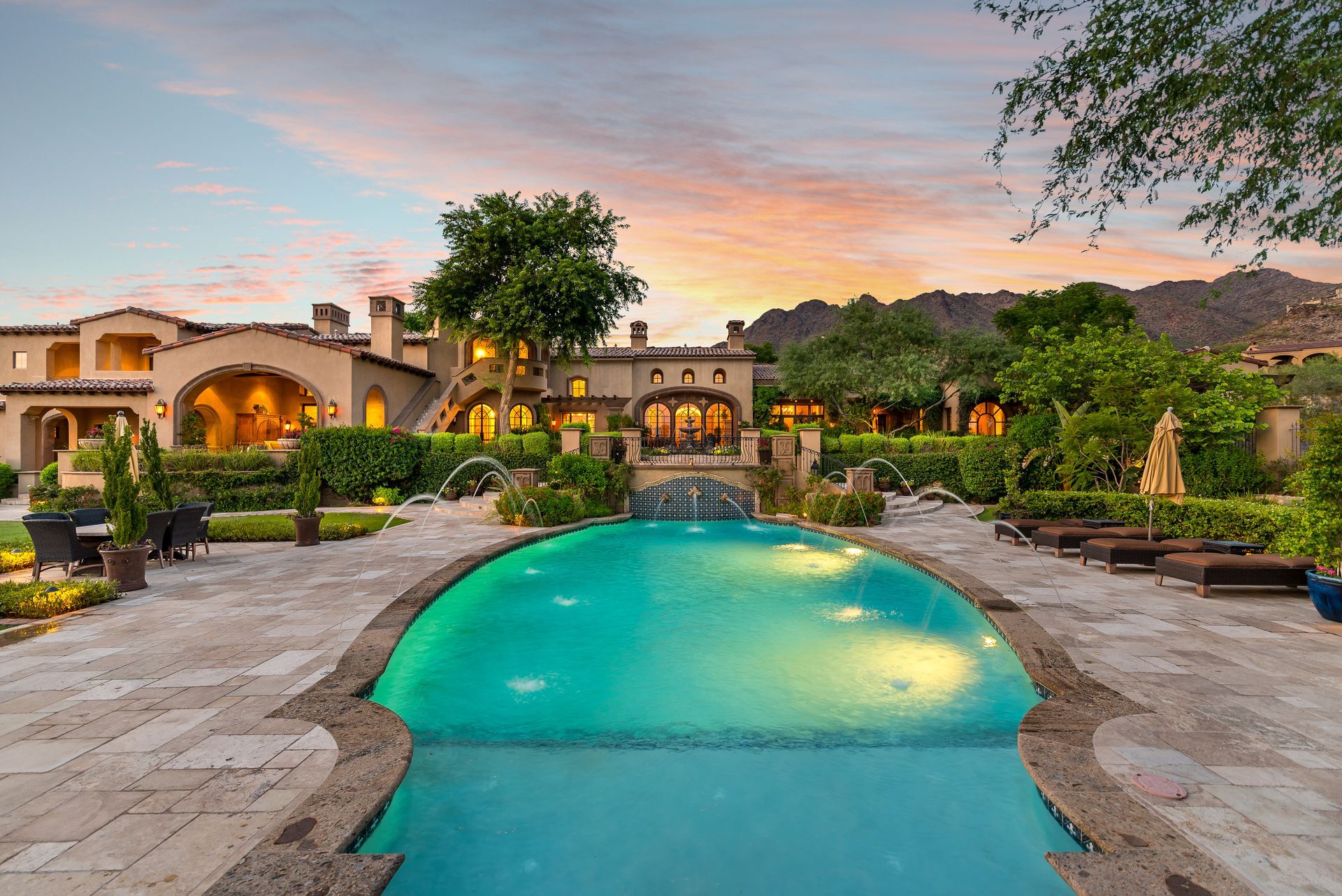
There is a large swimming pool in the backyard of a house.

Modern architectural design is a dynamic field that continues to evolve with societal, technological, and environmental changes. By embracing principles of minimalism, functionality, sustainability, and innovation, architects are shaping a built environment that not only meets present needs but also anticipates future challenges and aspirations. Whether designing residential homes, commercial complexes, multifamily developments, or public infrastructure, modern architects are at the forefront of creating spaces that inspire, enhance quality of life, and contribute to a sustainable future, with thoughtful planning that also accounts for practical considerations such as safety standards and multifamily property insurance.


Ready to bring your vision of modern living in Scottsdale, Arizona, to life? Whether you’re buying a new home or renovating, partner with an architect who understands your contemporary tastes. Let’s create a space that reflects your style and enhances your lifestyle. Contact our Architecture Firm today to start designing the modern home of your dreams!


The post What Is Modern Architectural Design? appeared first on Fratantoni Design.
By Sam Fratantoni February 23, 2026
Designing a luxury home on a sloped lot or hillside property presents both extraordinary opportunity and complex architectural challenges. For discerning homeowners seeking panoramic views, privacy, and dramatic elevation changes, hillside living offers a rare chance to create something truly iconic. At Fratantoni Design, our luxury residential architecture firm specializes in custom estate design tailored to the land itself. Sloped lot home design is not simply about building on an incline. It is about engineering intelligently, designing strategically, and maximizing every vantage point while preserving structural integrity and aesthetic harmony.  If you are considering building a luxury home on a hillside property, understanding the architectural process is essential.
By Sam Fratantoni February 18, 2026
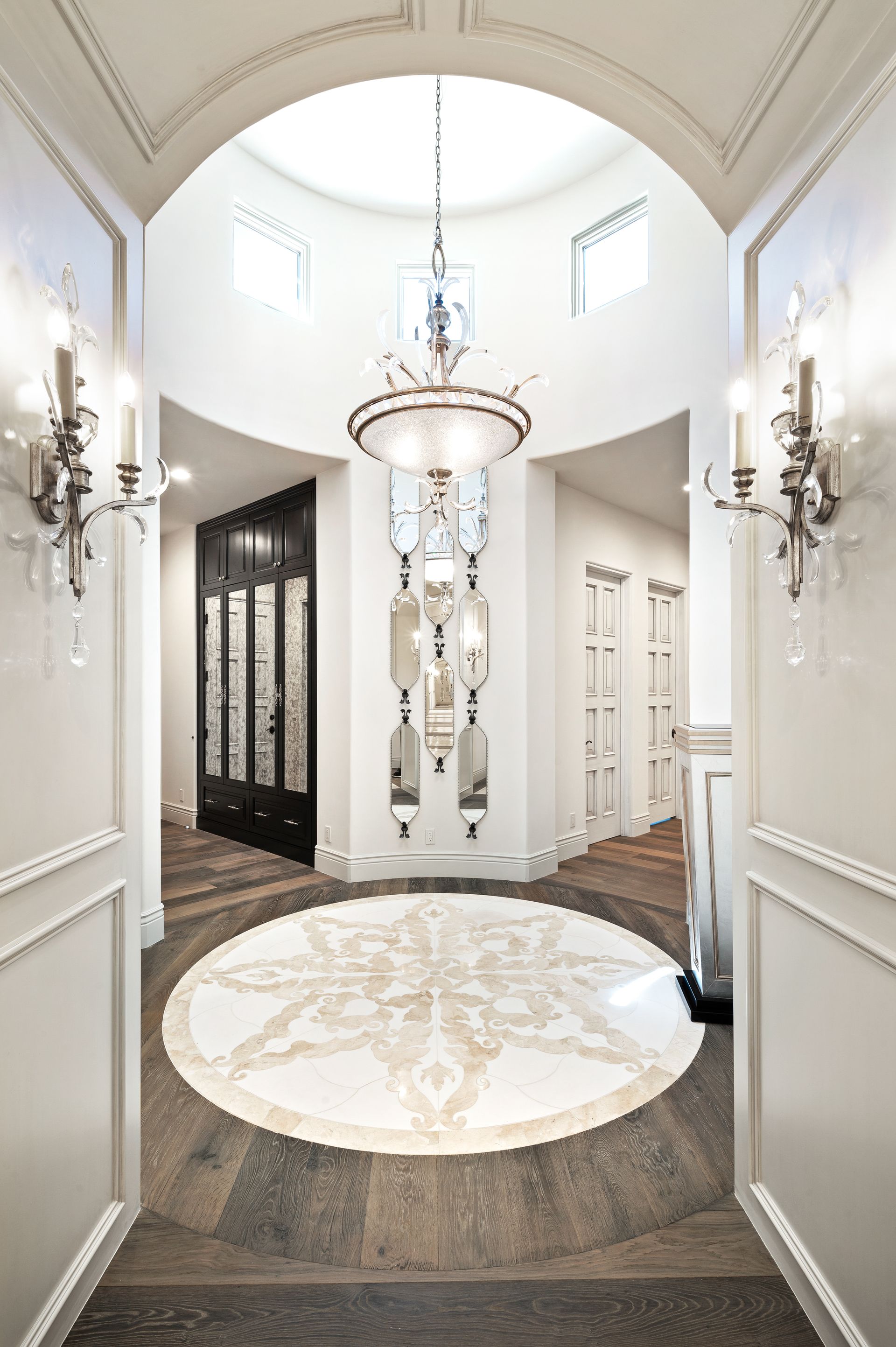
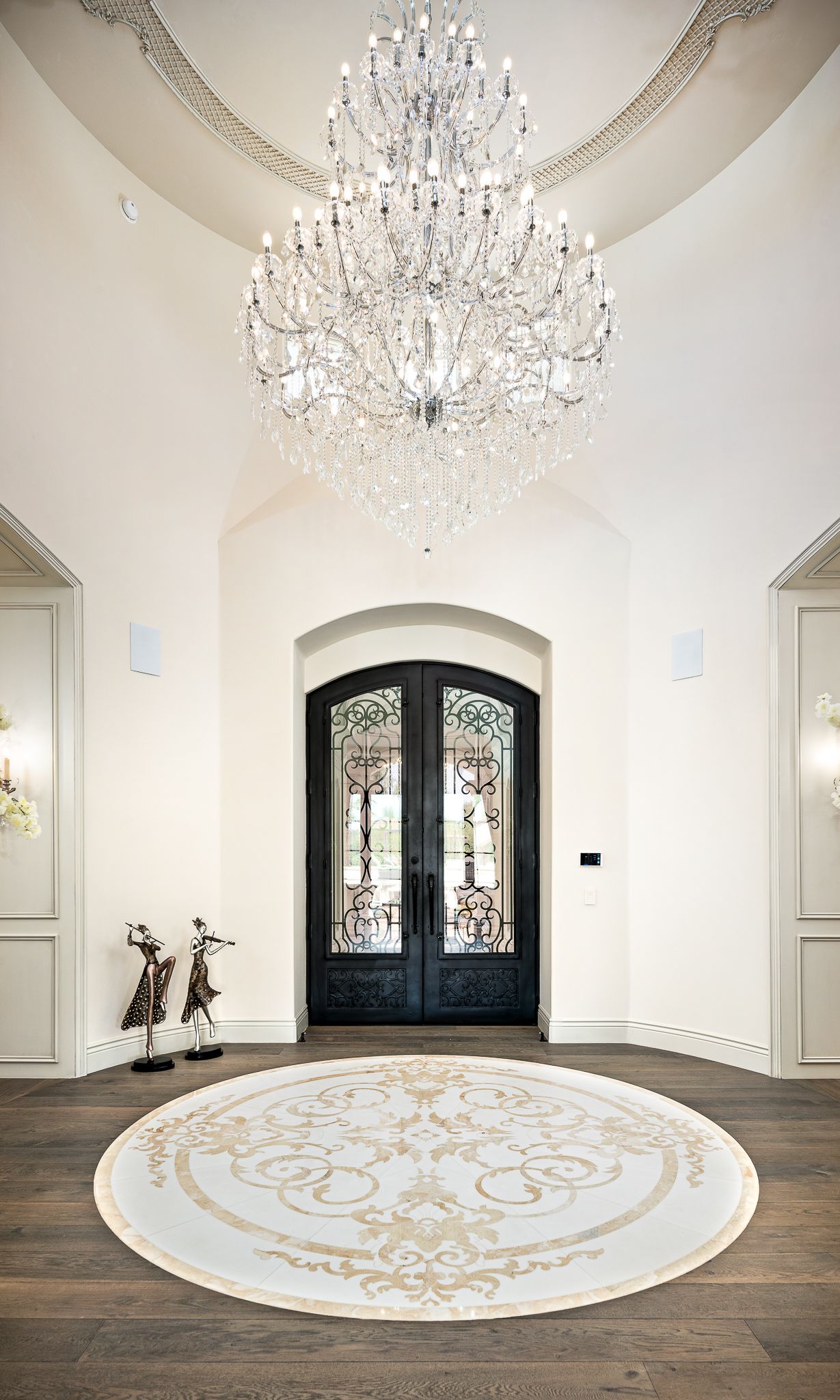
In luxury custom residential architecture, the grand entrance is one of the most important design elements of a high end custom home. The arrival sequence defines the architectural identity, enhances curb appeal, and establishes the tone for the entire luxury estate.  At Fratantoni Design, we approach every luxury custom home with intentional architectural planning, ensuring the exterior elevation, motor court, front facade, and grand foyer work together to create a cohesive and unforgettable experience. Below are the core components of designing a grand entrance in luxury home architecture.
By Sam Fratantoni February 10, 2026
Architectural planning is one of the most powerful and often overlooked drivers of long term property value in luxury residential real estate. While materials, finishes, and décor certainly contribute to visual appeal, the true financial and lifestyle performance of a home begins long before construction. It begins with the architectural plans. Strategic custom architectural design determines how a home functions, how it ages, how it adapts to changing lifestyles, and ultimately how it is perceived in the luxury housing market years or even decades later. For homeowners investing in custom luxury homes, architectural planning is not simply a preliminary phase. It is the foundation that protects and grows the value of the property over time.
By Sam Fratantoni February 2, 2026
When designing a luxury custom home, curb appeal is far more than fresh landscaping or a new coat of paint. True estate level curb appeal is rooted in architecture. It is the intentional balance of scale, symmetry, materials, and structural detail that communicates prestige, permanence, and craftsmanship before anyone ever steps through the front door. For affluent homeowners building a custom residence, the exterior of the home sets expectations for everything that follows. Luxury architecture is not decorated. It is designed from the ground up to make a statement.  In high end residential architecture, curb appeal directly influences perceived property value, emotional impact, and long term desirability. The most memorable luxury homes are instantly recognizable not because of trends, but because of strong architectural fundamentals that stand the test of time.
By Sam Fratantoni January 29, 2026
When designing a truly exceptional custom home, luxury is not defined by square footage alone. At the highest level, luxury architecture is about how a home functions, how it supports daily routines, and how seamlessly it adapts to the way a family lives, entertains, and evolves over time. The most successful floor plans are those that are intentionally designed around lifestyle, not trends.  At Fratantoni Design, we believe that the blueprint is the foundation of everything. Before materials are selected or architectural styles are refined, the floor plan must be thoughtfully developed to reflect the realities of modern luxury living.
By Sam Fratantoni January 22, 2026
When planning a custom luxury home, it is tempting to focus first on construction timelines, budgets, or even finishes. But the most successful residences do not begin with building. They begin with architecture. Architecture is the framework that shapes every experience within a home. It determines how spaces flow, how light is captured, how proportions feel, and how the residence responds to its site. Long before construction begins, architectural planning defines whether a home will feel cohesive, enduring, and intentional or merely assembled.  For discerning homeowners, understanding the role of architecture is essential to creating a home that stands the test of time.
Large, light-colored mansion with a circular driveway, surrounded by greenery and a view of rolling hills.
By Sam Fratantoni January 12, 2026
Luxury residential architecture in 2026 is no longer about dramatic facades or oversized floor plans alone. Today’s most discerning homeowners are seeking architecture that is intentional, refined, and deeply connected to how they live. True luxury architecture balances beauty with function, vision with precision, and creativity with technical expertise.  At Fratantoni Design, luxury architecture is approached as both an art and a discipline. Every home begins with a clear architectural vision, carefully developed to reflect the client’s lifestyle, aesthetic preferences, and long-term goals.
By Sam Fratantoni December 11, 2025
Luxury homes demand more than beautiful design or quality construction alone. The most successful high-end residences are the result of seamless collaboration between architecture, interior design, and the build process. When these disciplines operate in isolation, even the most well-intentioned projects can suffer from misalignment, inefficiencies, and costly revisions.  At Fratantoni Design, we believe the value of an integrated architecture, interior design, and build approach cannot be overstated. This collaboration is what allows luxury homes to feel cohesive, intentional, and exceptionally executed from concept through completion.
Large, ornate mansion with a fountain and extensive green lawn under a partly cloudy sky.
By Sam Fratantoni December 4, 2025
When building or remodeling a luxury home, the order in which professionals are brought into the process matters. One of the most common and costly mistakes homeowners make is involving interior design before architectural planning is fully developed. While interior design plays a critical role in how a home looks and feels, architecture is the foundation that determines how a home functions, flows, and endures. At Fratantoni Design, we believe architects should be involved before interior design begins. This approach ensures that the home’s structure, layout, and proportions are thoughtfully planned to support both aesthetics and livability from the start.
By Sam Fratantoni November 27, 2025
Luxury homes are no longer defined only by what happens inside. In today’s most exclusive estates, the outdoor spaces are just as important as the interiors. True indoor outdoor living begins at the architectural level, long before the first piece of furniture is placed or the landscape is installed. At Fratantoni Design, we specialize in creating custom floorplans that blur the line between indoors and out, crafting homes that feel connected to their surroundings while offering the highest level of comfort, beauty, and function.