

Heritage Reimagined: Adaptive Reuse in Luxury Architecture
Sam Fratantoni • August 28, 2025

Luxury architecture has always been about more than just creating a home, it’s about crafting a legacy. In 2025, discerning homeowners are increasingly drawn to designs that honor history while embracing the future. This desire has sparked one of the most captivating movements in contemporary design: adaptive reuse in luxury architecture.


At Fratantoni Design, we’ve witnessed how adaptive reuse elevates homes beyond beautiful structures, transforming them into stories etched in stone, wood, and light. By reimagining historic inspiration, incorporating reclaimed materials, and blending traditional motifs with modern conveniences, we create estates that are as timeless as they are innovative.


What Is Adaptive Reuse in Residential Architecture?

Traditionally, adaptive reuse has referred to converting old warehouses, factories, or churches into functional modern spaces. In luxury residential design, the concept is broader and more nuanced.


It’s about:

  • Preserving heritage: Integrating architectural elements, motifs, or materials inspired by history.
  • Reinterpreting craftsmanship: Bringing back artisanal techniques such as carved stone, wrought iron, or intricate millwork.
  • Merging with modern performance: Ensuring that reclaimed or historical inspirations meet today’s standards for efficiency, comfort, and luxury living.


The result? Homes that honor the grandeur of the past while offering every modern convenience affluent families demand.


Why Adaptive Reuse Appeals to Luxury Homeowners in 2025

1. Timelessness

Luxury clients don’t want trend-driven spaces that will feel dated in five years. Adaptive reuse ensures enduring appeal by drawing on proven, historic aesthetics.


2. Authenticity

In an age of mass production, authenticity is priceless. Incorporating reclaimed wood beams, antique tiles, or vintage stonework makes a residence truly one-of-a-kind.


3. Sustainability with Style

Affluent homeowners are increasingly eco-conscious. Reusing materials reduces environmental impact while aligning with luxury’s new definition: responsible indulgence.


4. Cultural Connection

Adaptive design allows families to honor personal or regional heritage, whether it’s a Tuscan villa in Arizona or a French-inspired estate in Scottsdale.


Heritage Reinterpreted for Modern Luxury

Stonework That Lasts Centuries

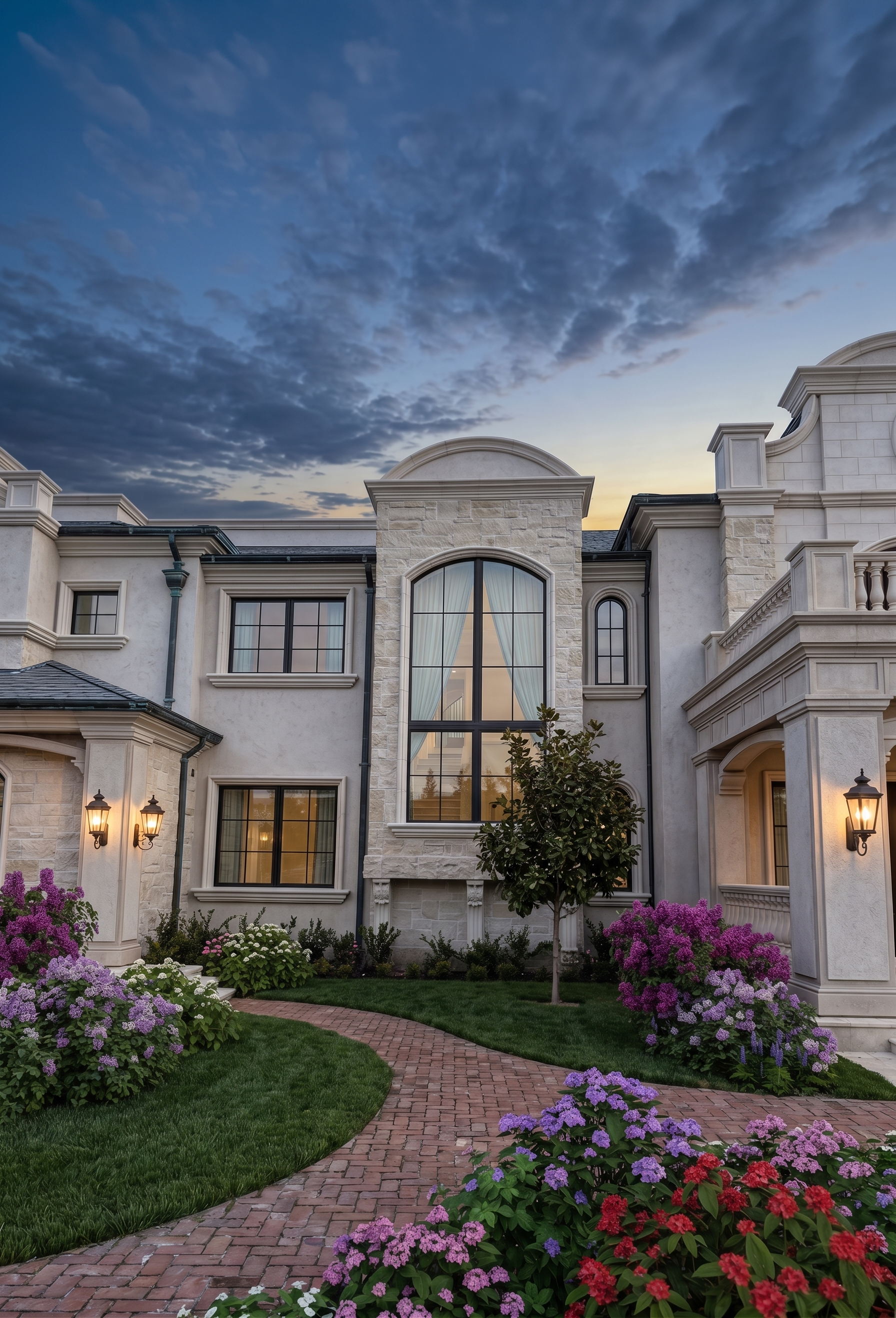
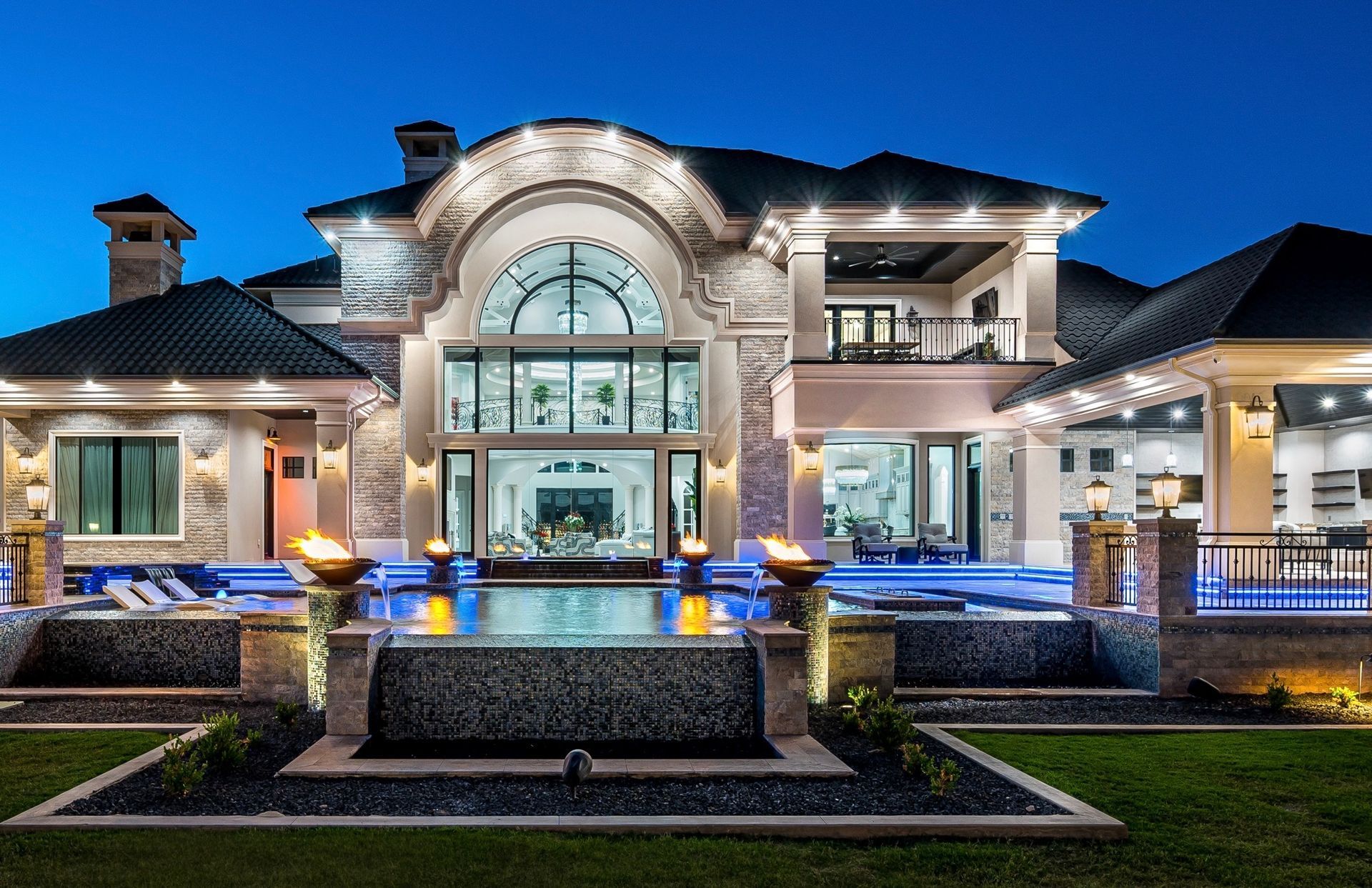
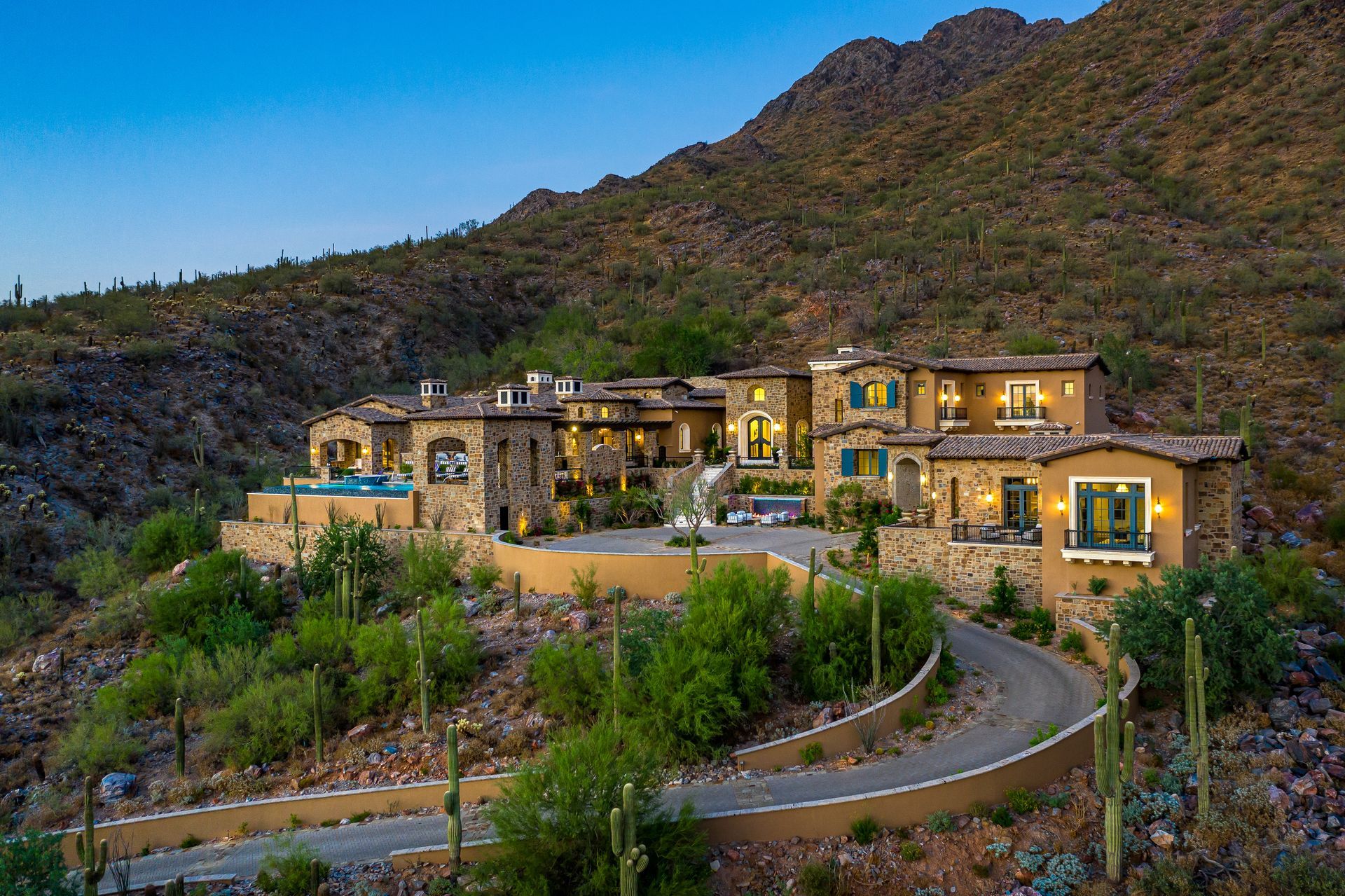
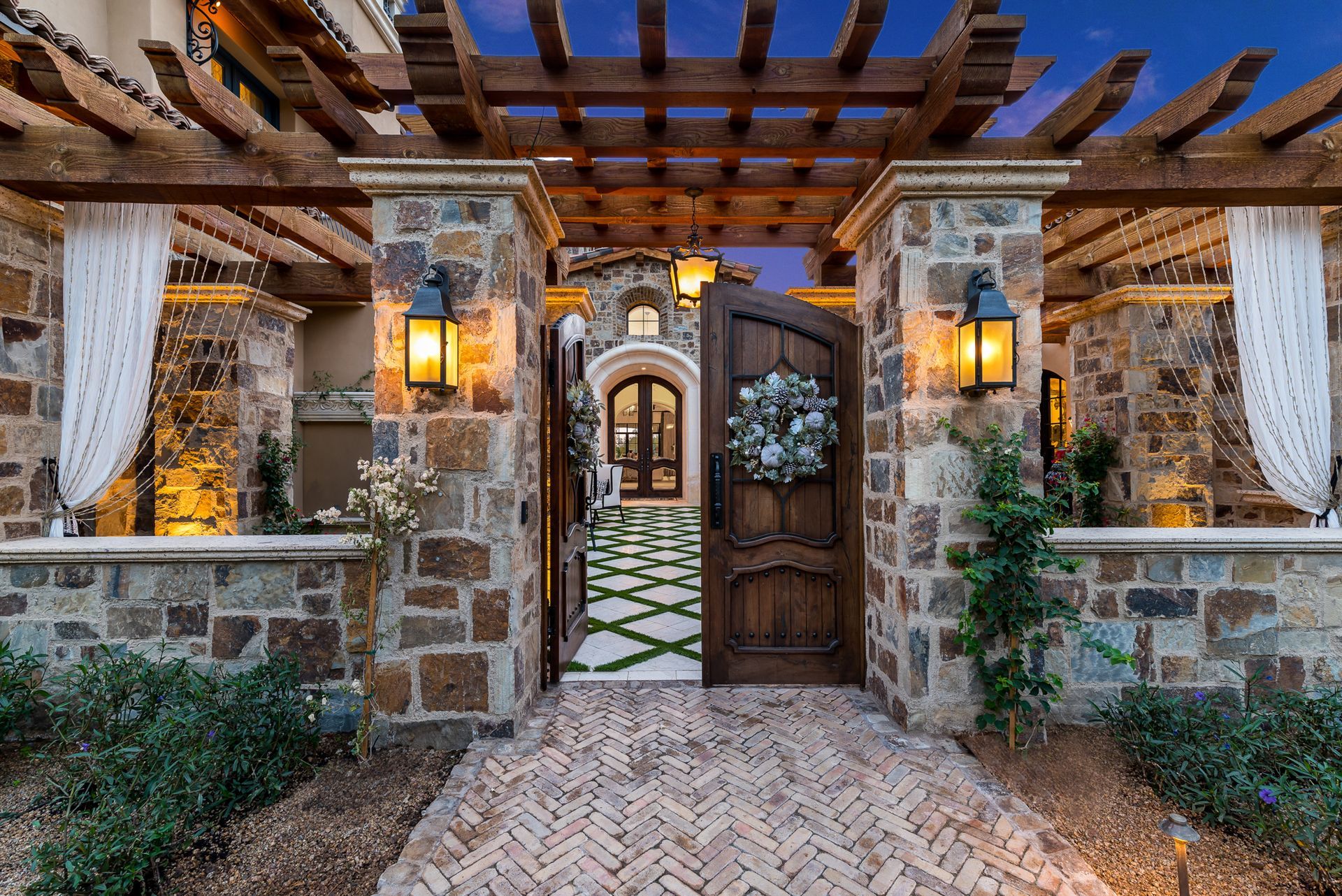
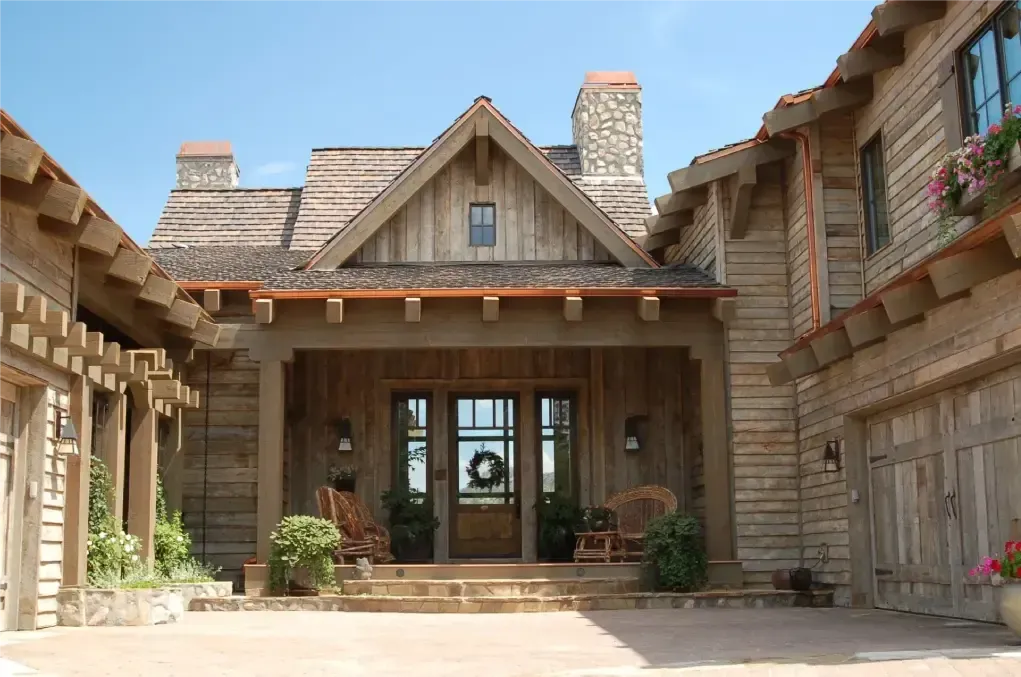
Natural stone façades have graced European castles and villas for centuries. By blending reclaimed stone with modern stucco or glass, we create façades that feel timeless yet contemporary.


Ironwork & Artisanal Detailing

Custom wrought iron balconies, gates, and railings provide a historical flourish while serving as functional art pieces.


Rooflines & Arches with Character

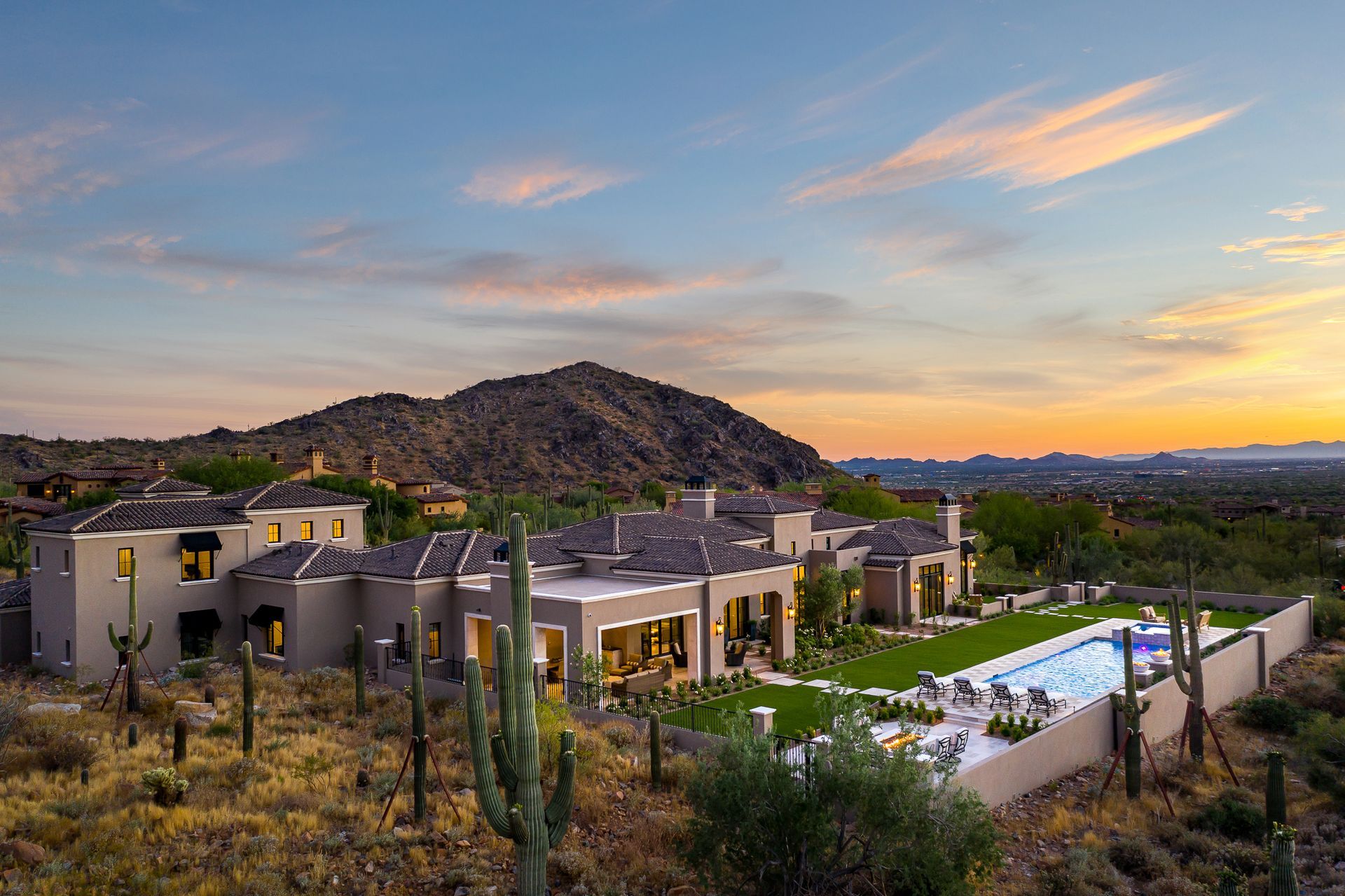
Clay tile roofs, barrel vaults, and stone archways recall Old World craftsmanship, especially when paired with clean modern lines.


 A Dialogue Between Old and New

Grand Entrances with Reclaimed Materials

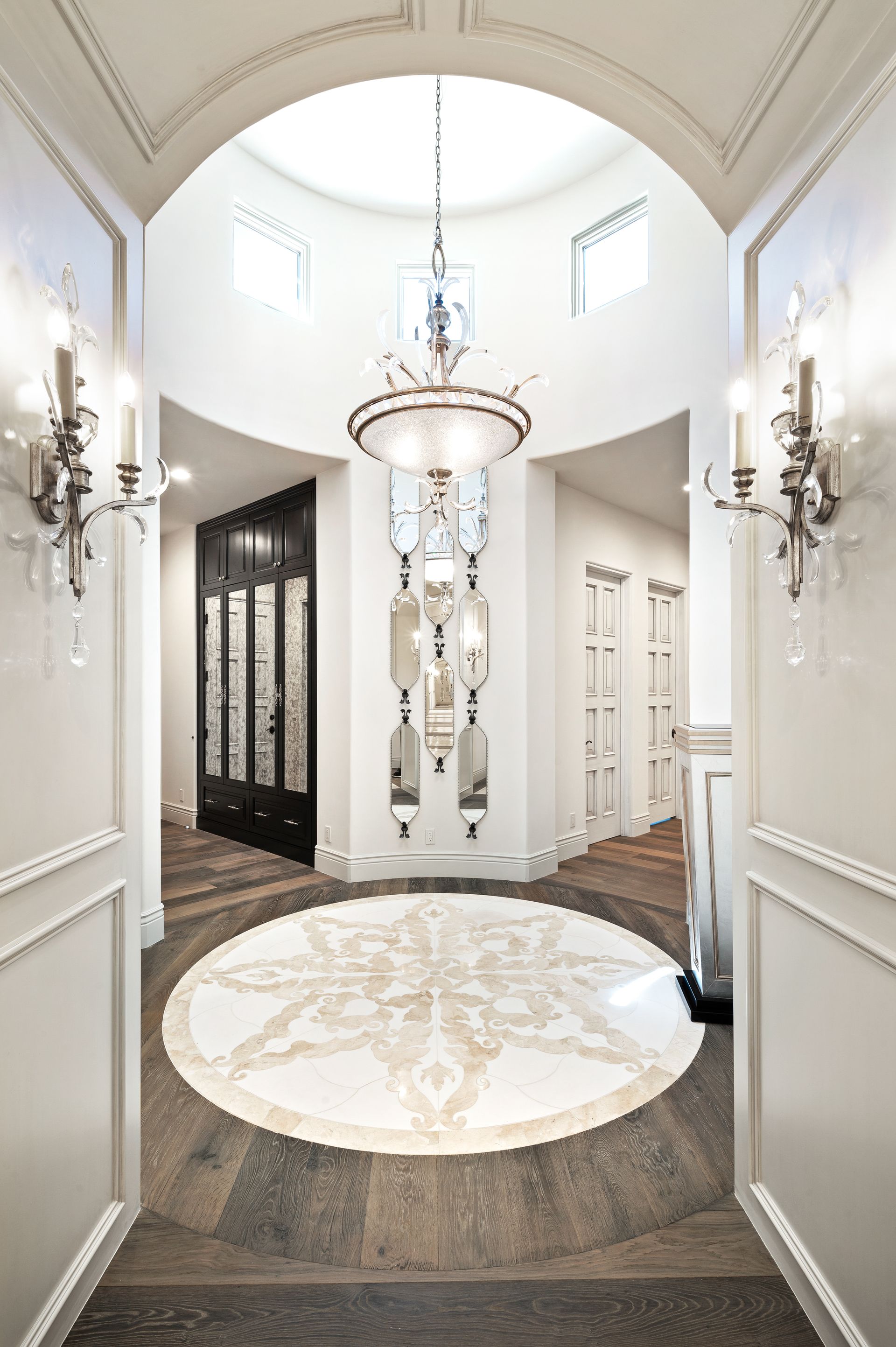
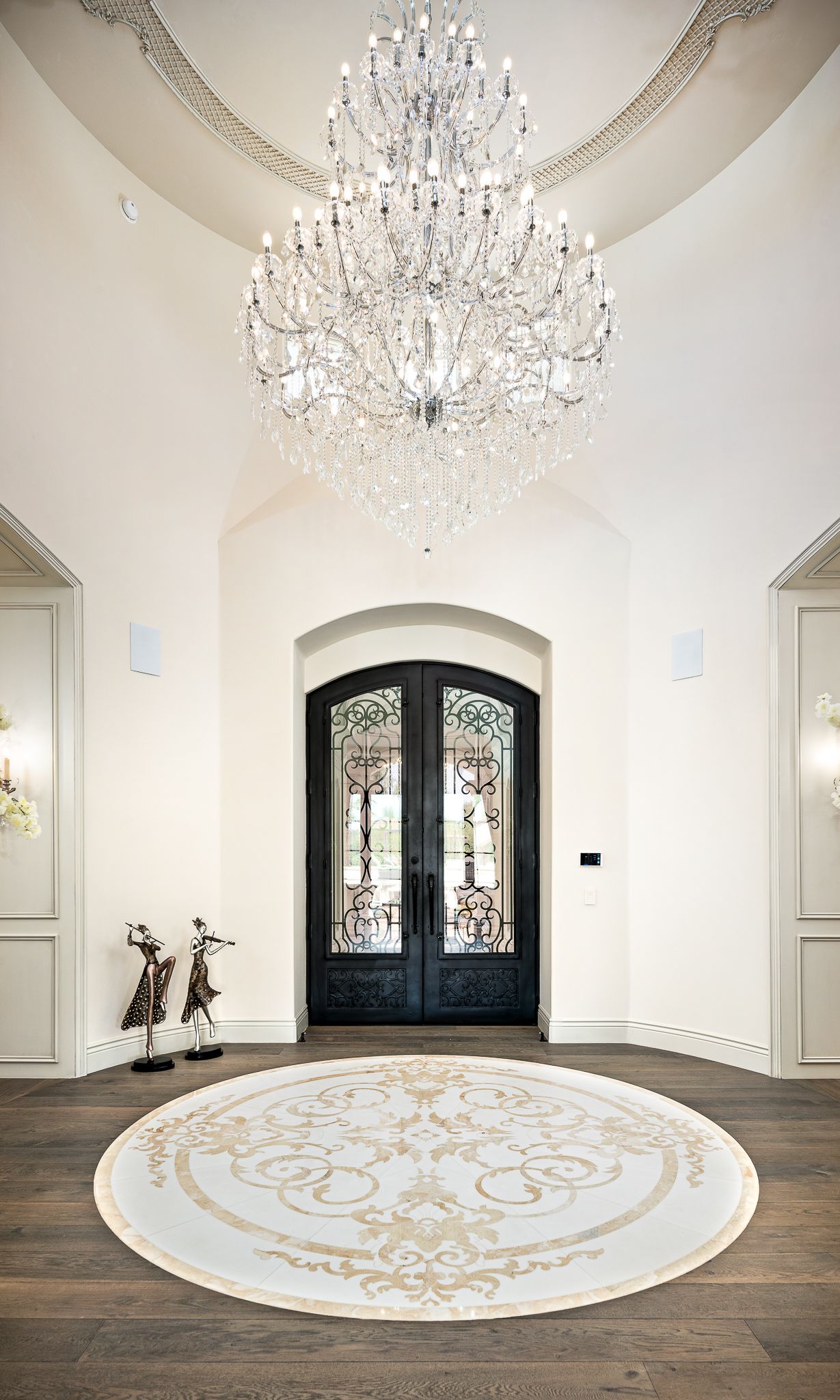
Imagine entering a foyer where reclaimed oak beams crown a marble inlaid floor. The atmosphere is instantly elevated, weaving history into the daily experience.


Living Spaces That Tell Stories

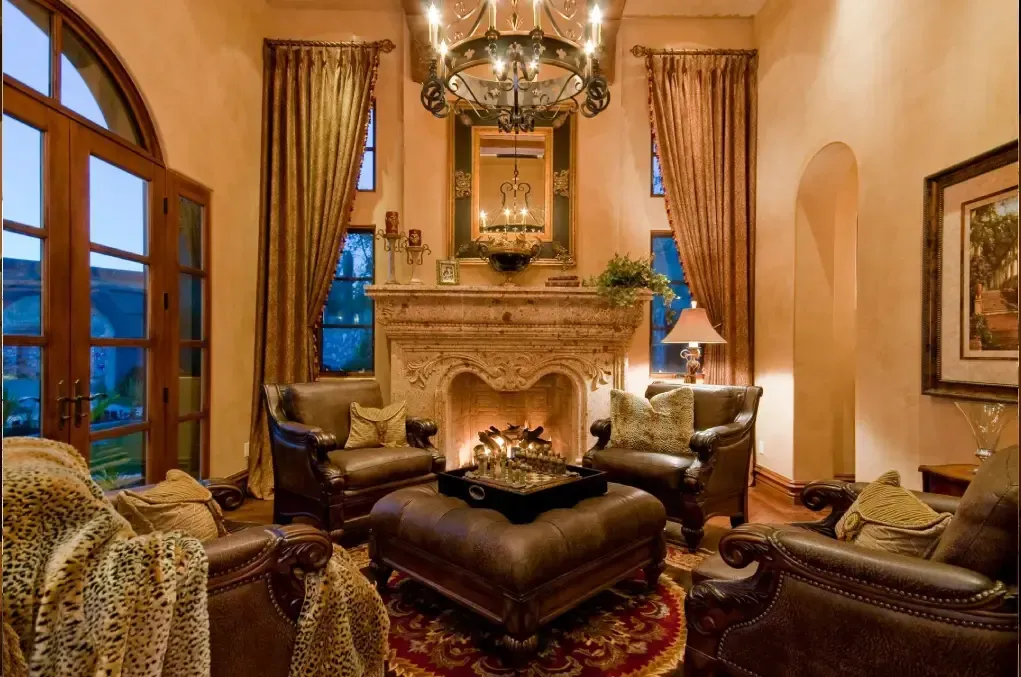
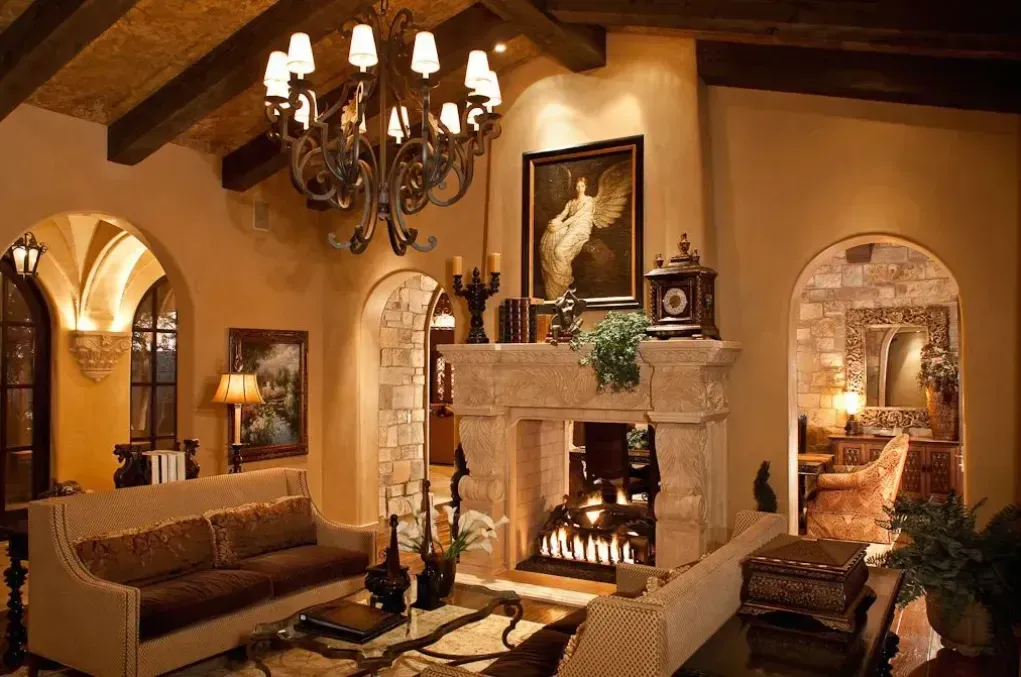
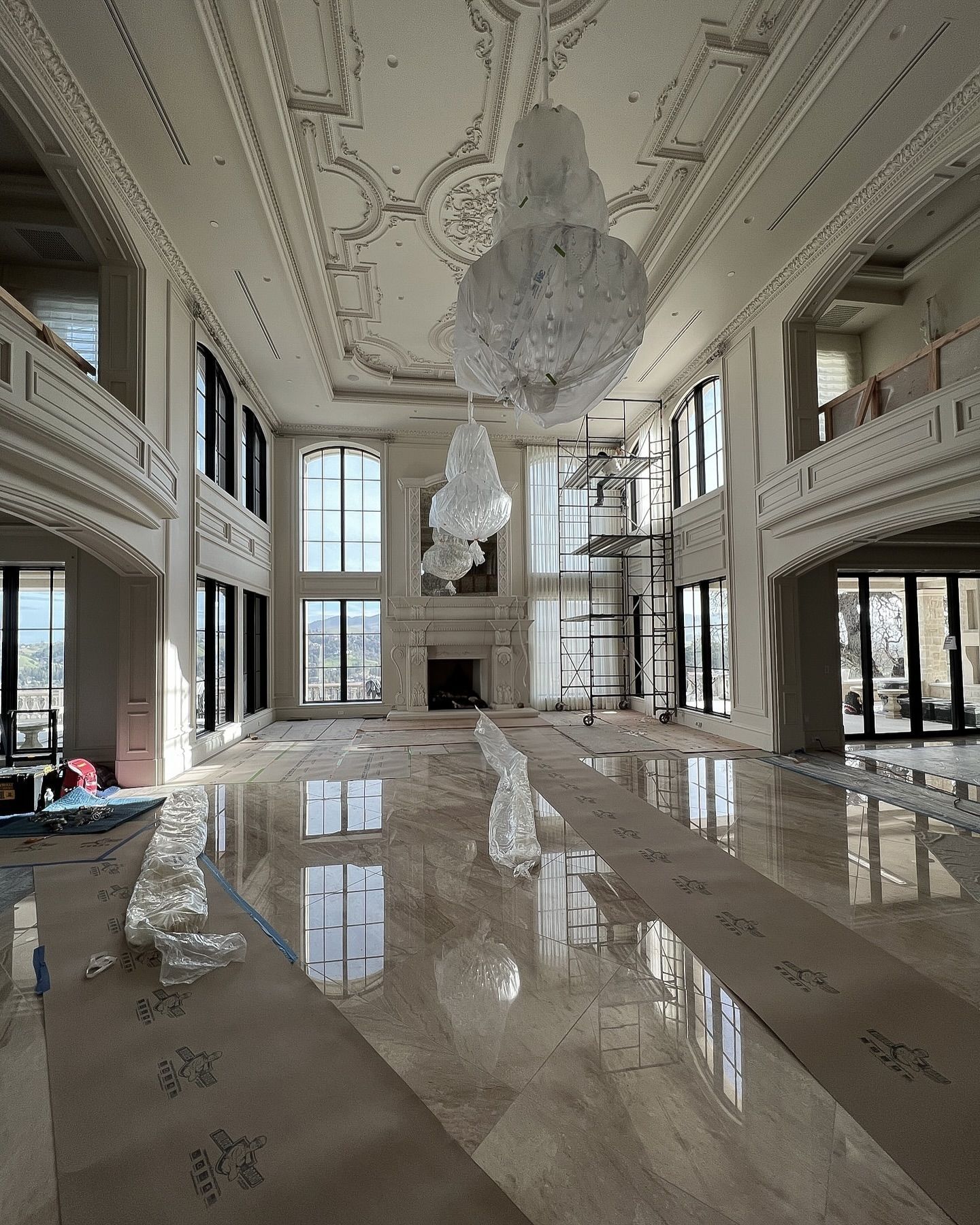
Combining Venetian plaster, hand-carved mantels, and sleek glass windows creates interiors that feel layered with both history and innovation.


Luxury Kitchens with Heritage Flair

Butcher-block counters, encaustic tile backsplashes, and hand-finished cabinetry offer warmth and texture, while integrated smart appliances keep functionality at the forefront.


Fratantoni Design Projects That Celebrate Heritage

The French Villa

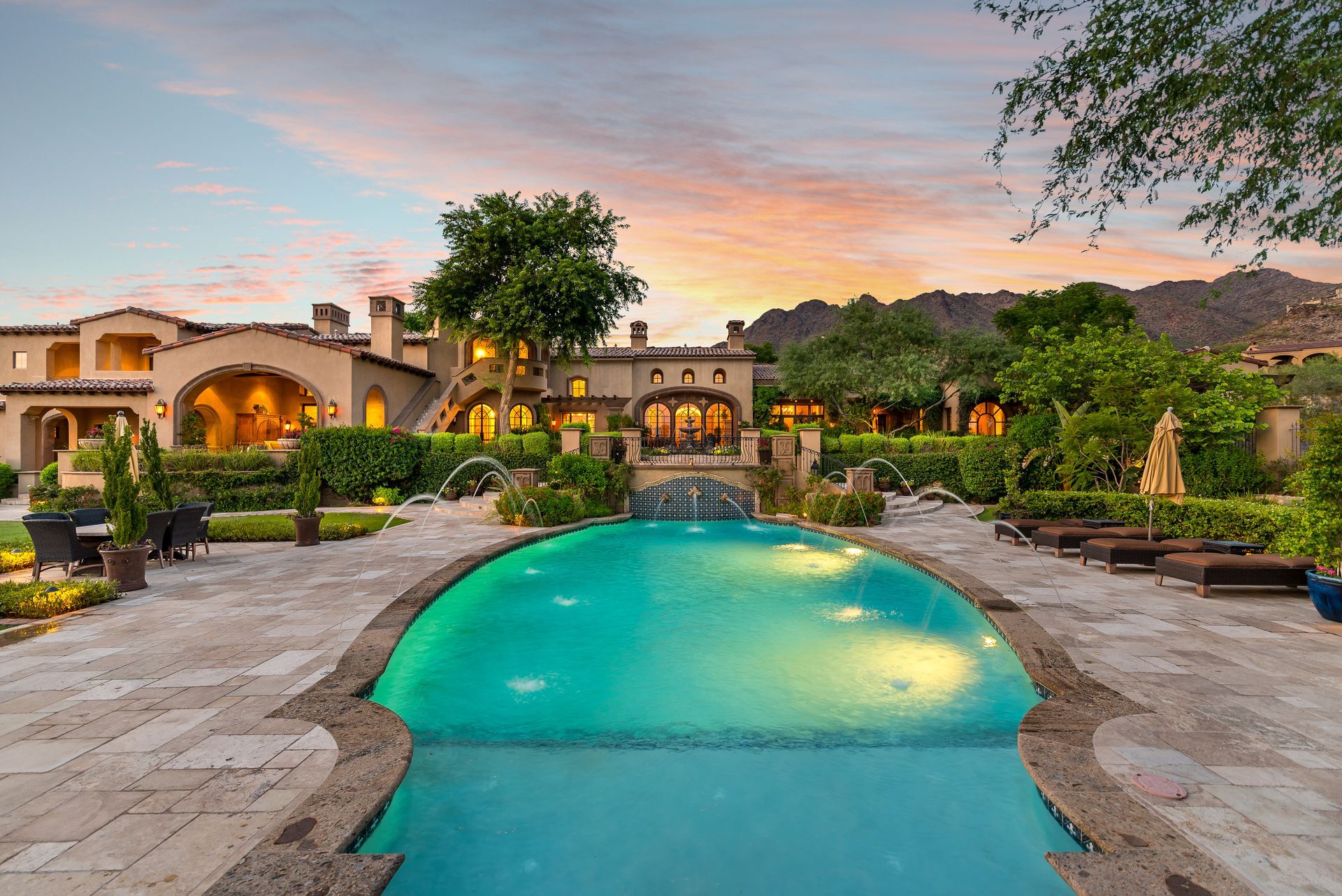
This estate features reclaimed European stone, intricate ironwork, and custom plasterwork—creating a seamless blend of French tradition and Arizona elegance.


The Italian Masterpiece

Drawing inspiration from Tuscan villas, we incorporated reclaimed terracotta and heavy timber beams, balanced with expansive windows and open floor plans. The result is a modern interpretation of Old World grandeur.


The Kansas City Penthouse Remodel

Here, adaptive reuse took the form of restoring original wood flooring and incorporating historical trim profiles, while introducing contemporary lighting and furnishings. The juxtaposition elevated the remodel from stylish to extraordinary.


Materials That Bring Heritage to Life

  1. Reclaimed Wood – Beams, floors, ceilings with rich patina.
  2. Vintage Stone & Brick – Adds depth and history to façades and fireplaces.
  3. Antique Tiles – Hand-painted or encaustic designs for flooring or backsplash.
  4. Hand-Forged Metals – Railings, gates, and decorative screens.
  5. Architectural Salvage – Mantels, doors, and even fountains reimagined for modern estates.


How Adaptive Reuse Elevates Luxury Living

  • Conversation Pieces: Unique materials spark stories.
  • Craftsmanship Spotlight: Each reclaimed or heritage-inspired detail showcases artistry.
  • Emotional Impact: Living in a home that blends history and modernity creates a sense of permanence, depth, and pride.
  • Investment Value: Homes with rare, authentic details often appreciate more strongly in luxury markets.


The Role of Technology in Adaptive Reuse

While rooted in history, adaptive design isn’t nostalgic, it’s forward-thinking.


At Fratantoni Design, we use:

  • 3D modeling to test combinations of old and new materials.
  • Structural reinforcement technology to ensure historic materials meet today’s codes.
  • Smart home integration to embed modern luxury into historically inspired spaces.


This ensures that heritage isn’t just preserved, it’s enhanced for future generations.


Design Tips for Homeowners Considering Adaptive Reuse

  1. Start with a Vision: Identify the cultural or historic inspiration you want to bring into your home.
  2. Choose Signature Elements: Focus on one or two standout heritage details—stone, wood, iron—that can anchor the design.
  3. Balance Is Key: Allow historic textures to shine, but balance them with modern materials for livability.
  4. Work with Experts: Precision and artistry matter. Experienced architects and builders ensure heritage details are integrated seamlessly.


The Future of Heritage in Luxury Architecture

Adaptive reuse isn’t a fleeting trend, it’s the foundation of a timeless design philosophy. As luxury evolves, clients increasingly seek homes that feel meaningful, sustainable, and connected to history.


By weaving the past into the present, Fratantoni Design ensures that every estate we create becomes part of a family’s legacy.


Build a Legacy with Fratantoni Design

At Fratantoni Design, we specialize in crafting homes that embody heritage reimagined, layering history, artistry, and modern luxury into timeless architecture. With over 40 years of experience designing estates across the nation, our award-winning team ensures every detail, from reclaimed beams to modern innovations, enhances both beauty and lifestyle.


Contact Fratantoni Design today to begin designing a custom home that honors tradition while embracing the future.


Contact Us
Call Us
By Sam Fratantoni February 2, 2026
When designing a luxury custom home, curb appeal is far more than fresh landscaping or a new coat of paint. True estate level curb appeal is rooted in architecture. It is the intentional balance of scale, symmetry, materials, and structural detail that communicates prestige, permanence, and craftsmanship before anyone ever steps through the front door. For affluent homeowners building a custom residence, the exterior of the home sets expectations for everything that follows. Luxury architecture is not decorated. It is designed from the ground up to make a statement.  In high end residential architecture, curb appeal directly influences perceived property value, emotional impact, and long term desirability. The most memorable luxury homes are instantly recognizable not because of trends, but because of strong architectural fundamentals that stand the test of time.
By Sam Fratantoni January 29, 2026
When designing a truly exceptional custom home, luxury is not defined by square footage alone. At the highest level, luxury architecture is about how a home functions, how it supports daily routines, and how seamlessly it adapts to the way a family lives, entertains, and evolves over time. The most successful floor plans are those that are intentionally designed around lifestyle, not trends.  At Fratantoni Design, we believe that the blueprint is the foundation of everything. Before materials are selected or architectural styles are refined, the floor plan must be thoughtfully developed to reflect the realities of modern luxury living.
By Sam Fratantoni January 22, 2026
When planning a custom luxury home, it is tempting to focus first on construction timelines, budgets, or even finishes. But the most successful residences do not begin with building. They begin with architecture. Architecture is the framework that shapes every experience within a home. It determines how spaces flow, how light is captured, how proportions feel, and how the residence responds to its site. Long before construction begins, architectural planning defines whether a home will feel cohesive, enduring, and intentional or merely assembled.  For discerning homeowners, understanding the role of architecture is essential to creating a home that stands the test of time.
Large, light-colored mansion with a circular driveway, surrounded by greenery and a view of rolling hills.
By Sam Fratantoni January 12, 2026
Luxury residential architecture in 2026 is no longer about dramatic facades or oversized floor plans alone. Today’s most discerning homeowners are seeking architecture that is intentional, refined, and deeply connected to how they live. True luxury architecture balances beauty with function, vision with precision, and creativity with technical expertise.  At Fratantoni Design, luxury architecture is approached as both an art and a discipline. Every home begins with a clear architectural vision, carefully developed to reflect the client’s lifestyle, aesthetic preferences, and long-term goals.
By Sam Fratantoni December 11, 2025
Luxury homes demand more than beautiful design or quality construction alone. The most successful high-end residences are the result of seamless collaboration between architecture, interior design, and the build process. When these disciplines operate in isolation, even the most well-intentioned projects can suffer from misalignment, inefficiencies, and costly revisions.  At Fratantoni Design, we believe the value of an integrated architecture, interior design, and build approach cannot be overstated. This collaboration is what allows luxury homes to feel cohesive, intentional, and exceptionally executed from concept through completion.
By Sam Fratantoni December 4, 2025
When building or remodeling a luxury home, the order in which professionals are brought into the process matters. One of the most common and costly mistakes homeowners make is involving interior design before architectural planning is fully developed. While interior design plays a critical role in how a home looks and feels, architecture is the foundation that determines how a home functions, flows, and endures. At Fratantoni Design, we believe architects should be involved before interior design begins. This approach ensures that the home’s structure, layout, and proportions are thoughtfully planned to support both aesthetics and livability from the start.
By Sam Fratantoni November 27, 2025
Luxury homes are no longer defined only by what happens inside. In today’s most exclusive estates, the outdoor spaces are just as important as the interiors. True indoor outdoor living begins at the architectural level, long before the first piece of furniture is placed or the landscape is installed. At Fratantoni Design, we specialize in creating custom floorplans that blur the line between indoors and out, crafting homes that feel connected to their surroundings while offering the highest level of comfort, beauty, and function.
By Sam Fratantoni November 20, 2025
Designing a luxury home on a sloped lot presents both a challenge and an opportunity. While uneven terrain can create design complexities, it also allows for one-of-a-kind architecture that blends seamlessly into the land and maximizes views in a way flat sites simply cannot. At Fratantoni Design, we specialize in crafting luxury residences on some of the most demanding lots across the country, including a Hawaii estate we designed perched dramatically on the edge of a cliff. These are the types of projects that demand creativity, precision, and a deep understanding of topography. With over 40 years of architectural expertise, our team is highly experienced in transforming sloped lots into structurally sound, visually breathtaking custom homes.
By Sam Fratantoni November 12, 2025
In luxury residential architecture, few architectural features make a statement as powerfully as a beautifully designed staircase. A staircase is no longer only a functional element that connects levels of a home. In high end custom homes, it has become a sculptural centerpiece, a structural masterpiece, and a defining architectural moment. At Fratantoni Design, staircases play an essential role in the overall design narrative, setting the tone for elegance, scale, and craftsmanship throughout the home. As luxury architecture continues to evolve, staircase design has transformed into one of the most expressive features in modern estate homes.
By Sam Fratantoni November 6, 2025
Creating a grand home goes far beyond building something large. In luxury architecture, true grandeur is the result of thoughtful rhythm, balanced proportions, and a design that feels sophisticated from the first step inside. A home may offer impressive square footage, but without the right architectural vision, it will never achieve the presence and atmosphere that define a luxury estate. Understanding how to create a sense of grandeur through design is essential, especially for homeowners investing in a custom home that should stand out for all the right reasons.