

The Power of Statement Ceilings: Elevating Luxury Interiors from Above
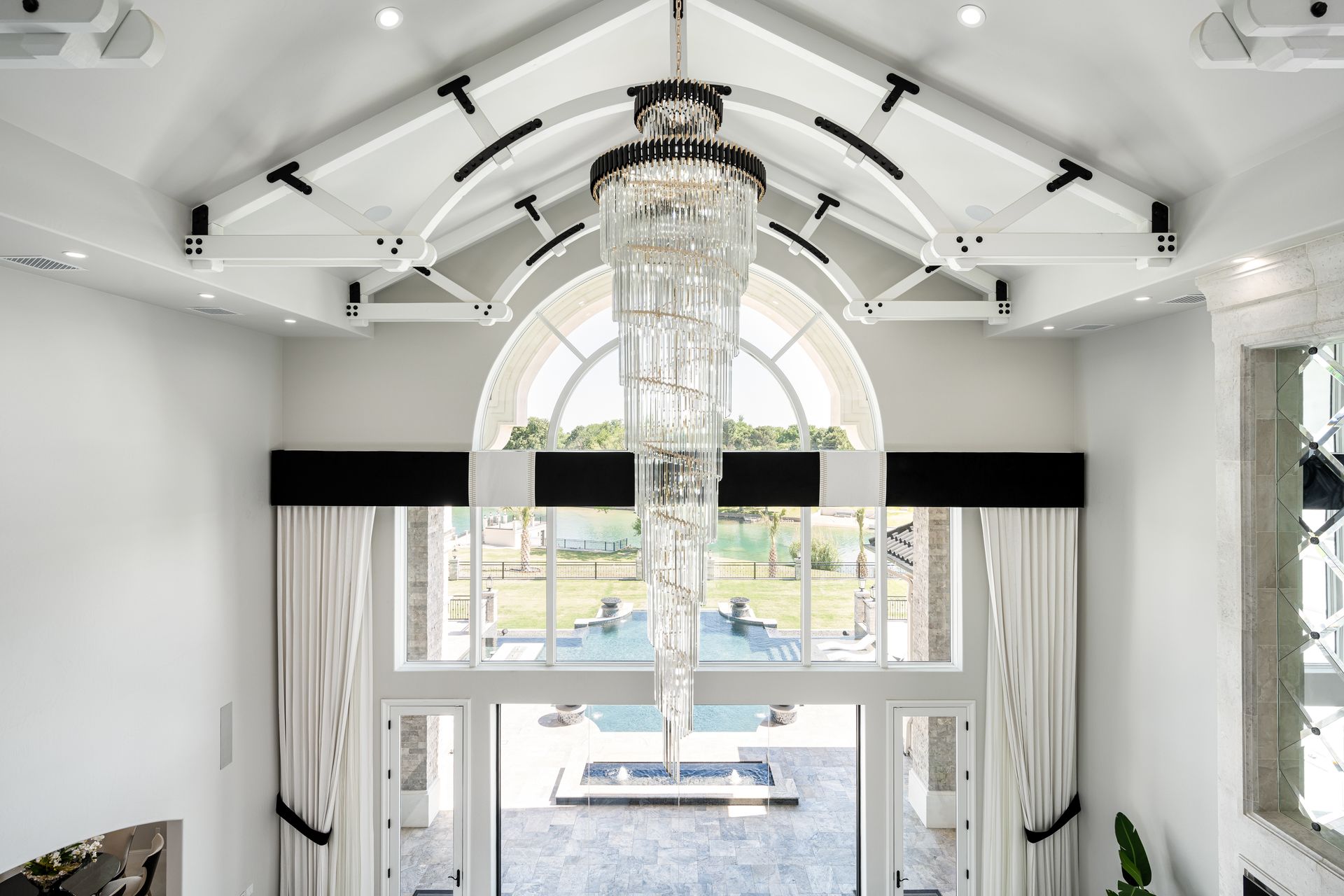
In the world of luxury architecture, ceilings are often called the “fifth wall” , and for good reason. While floors, walls, and furnishings tend to draw the eye first, the ceiling holds extraordinary potential to define a home’s character and atmosphere. When thoughtfully designed, it becomes a central architectural feature that ties the entire space together, influencing proportion, mood, and harmony.
At Fratantoni Design, we view every ceiling as an architectural opportunity. Whether soaring and vaulted or intimate and coffered, ceilings frame the experience of a room from the moment one steps inside. They embody the artistry, geometry, and craftsmanship that distinguish a well-designed estate from an ordinary home.
Why Ceilings Are Essential in Architectural Design
The ceiling is one of the most influential yet underestimated elements in architectural design. Its shape, material, and height all affect how a room feels whether that's expansive and airy, warm and inviting, or grand and formal. In luxury residential architecture, a thoughtfully designed ceiling provides balance, elegance, and cohesion.
Ceilings frame the experience of a room. They can draw the eye upward, emphasize architectural rhythm, and guide the flow between adjoining spaces. They can amplify natural light, enhance acoustics, and establish visual balance in open floor plans. Most importantly, they reveal the level of craftsmanship that defines a truly custom home.
Every great architect knows that the ceiling is not just a surface to close a room, but a canvas to complete it.
Architectural Styles and Their Signature Ceilings
Each architectural style offers unique opportunities for ceiling expression. At Fratantoni Design, our approach is always rooted in harmony, the ceiling must belong to the home’s overall design narrative, enhancing its form and authenticity.
Coffered Ceilings: Structure and Grandeur
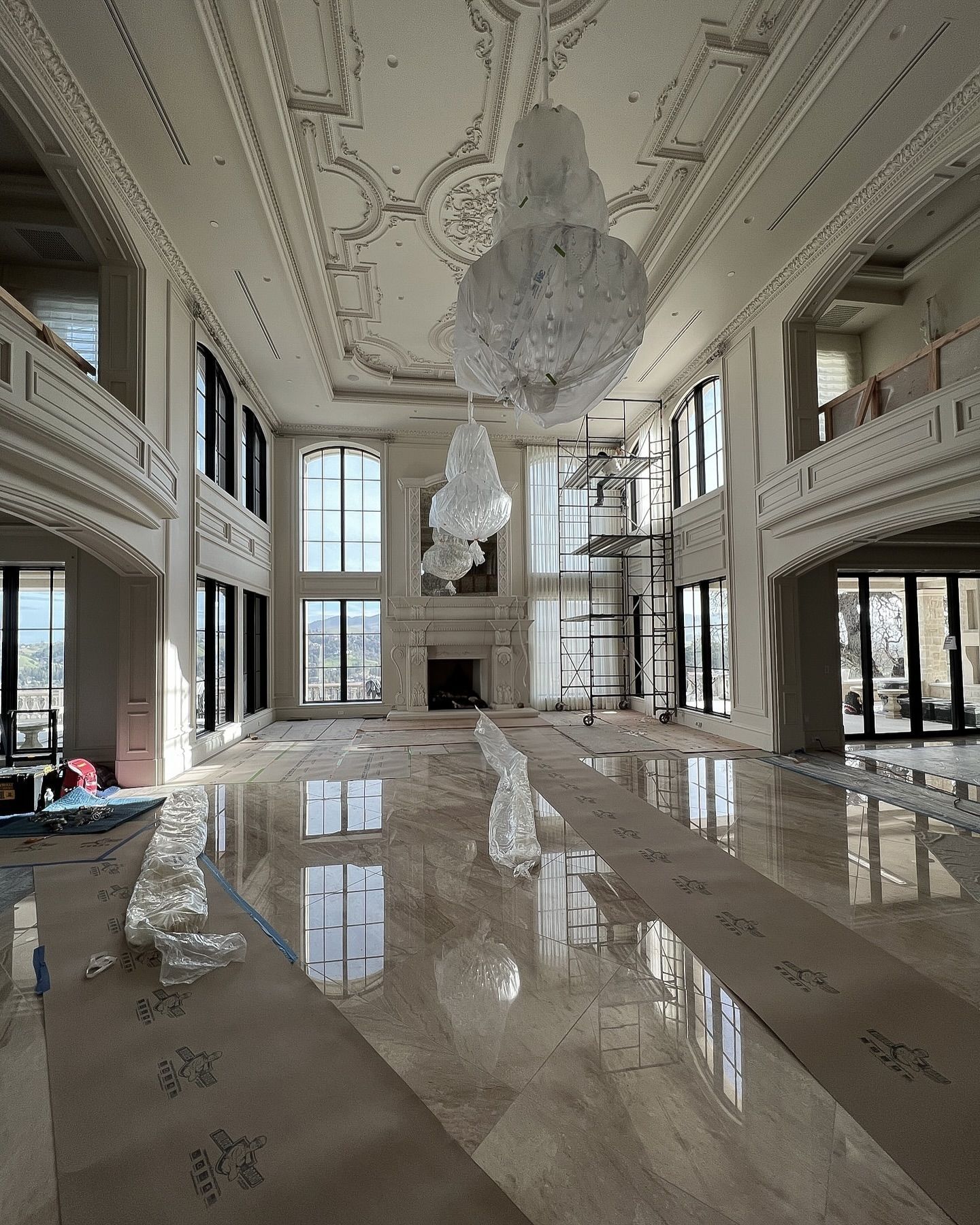
Coffered ceilings are among the most timeless architectural details. Composed of a series of recessed panels framed by beams, they create depth, rhythm, and visual order. Historically associated with classical European design, they remain a hallmark of luxury today.
In modern estates, coffered ceilings can be tailored to suit a range of aesthetics. Deep, ornate coffers with detailed molding convey traditional grandeur, while clean-lined versions with subtle reveals feel sophisticated and contemporary. In both interpretations, they anchor a room with balance and proportion, transforming great rooms, libraries, and dining halls into architectural masterpieces.
Vaulted Ceilings: Light, Air, and Drama
Vaulted and cathedral ceilings instantly evoke a sense of openness and elevation. These ceilings follow the roofline to create dramatic volume and allow natural light to flow freely throughout the home. When paired with arched windows or timber trusses, they celebrate both form and craftsmanship.
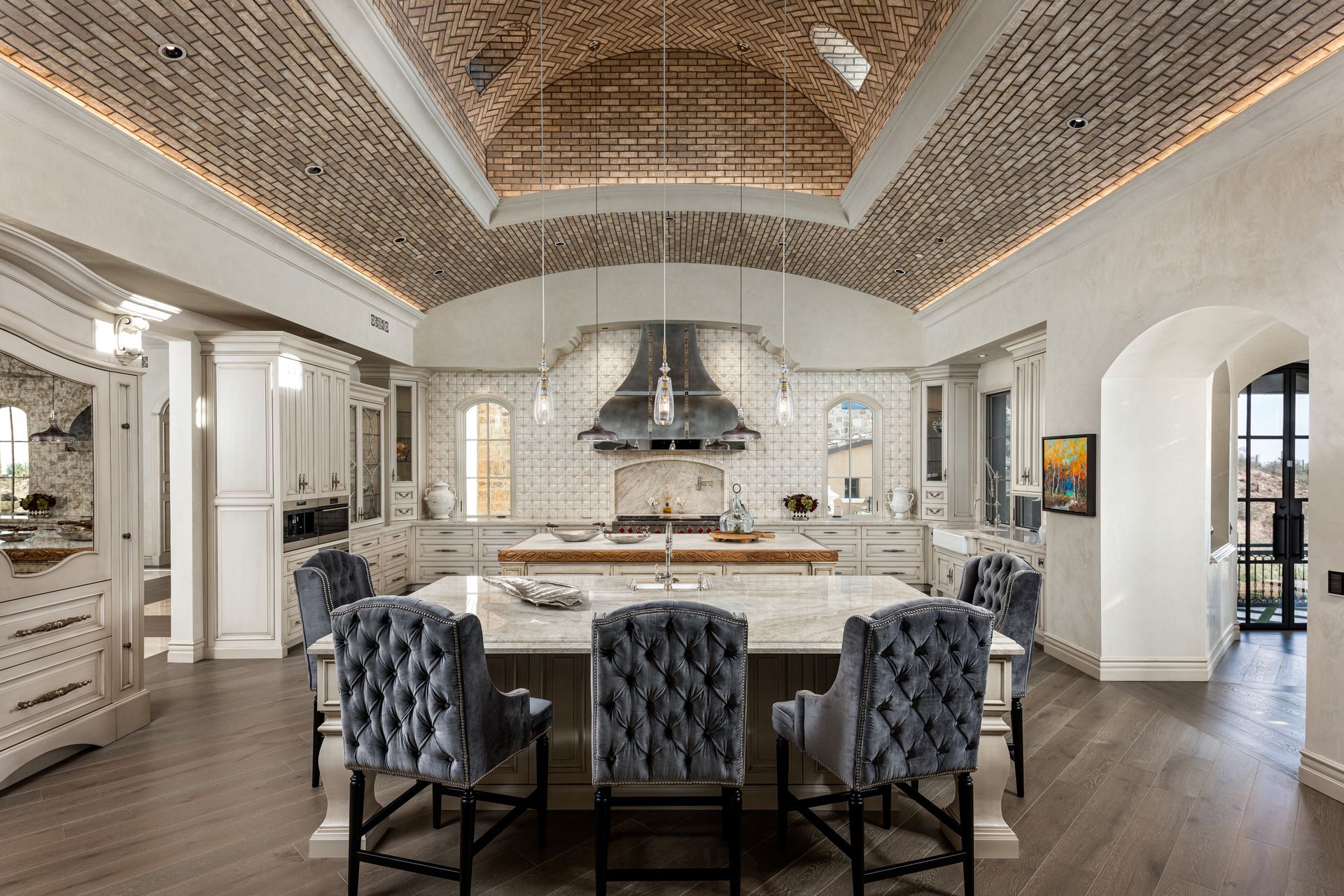
In Mediterranean and European-inspired homes, vaulted ceilings often incorporate natural wood beams that add warmth and depth. In contemporary designs, smooth plaster vaults with concealed lighting create a serene, gallery-like atmosphere. The result is always stunning, a breathtaking sense of scale that transforms the way the home feels.
Tray Ceilings: Subtle Architectural Sophistication
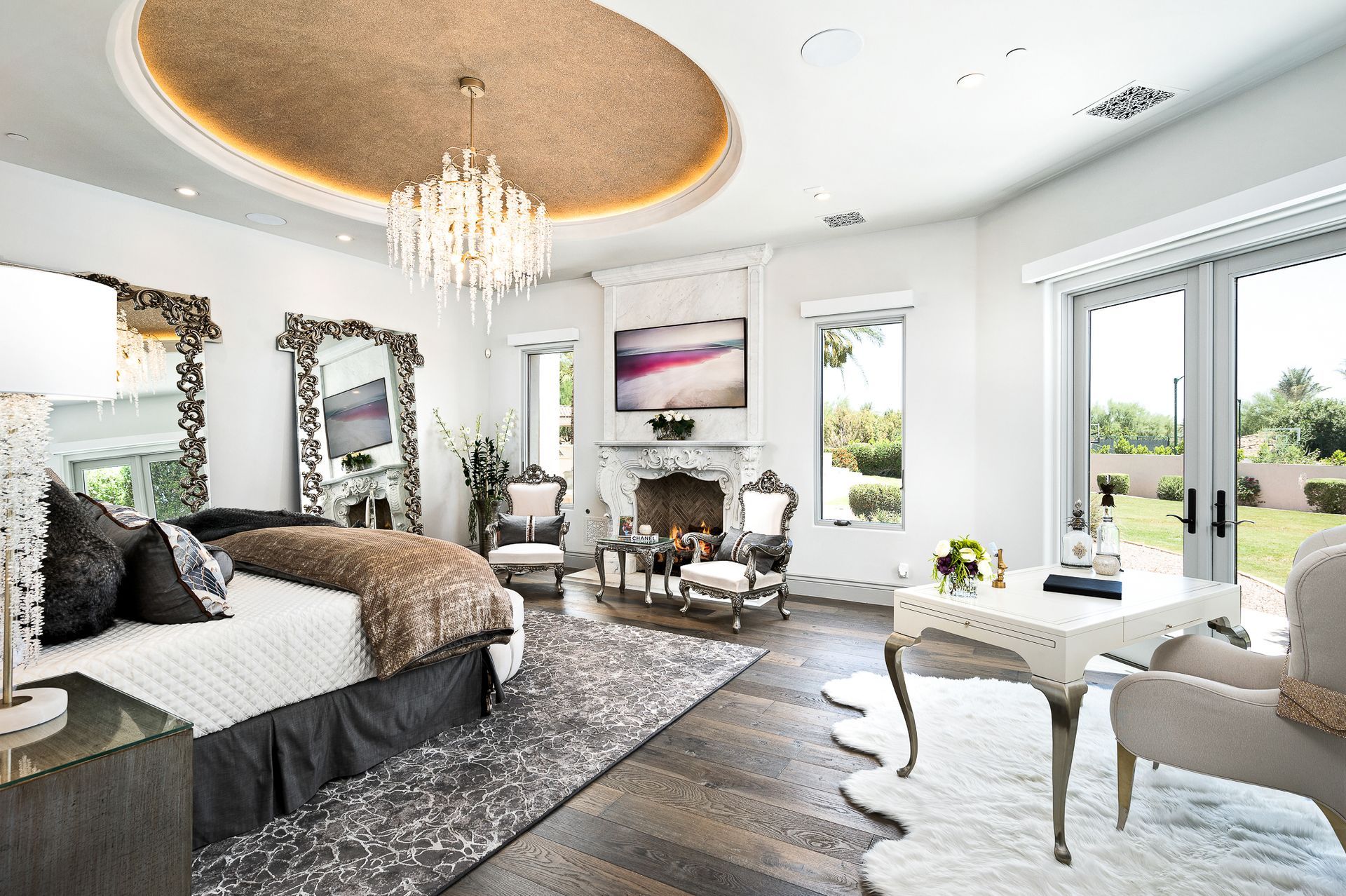
A tray ceiling introduces a delicate layer of elevation and refinement. It features a recessed center section that creates visual interest without overwhelming the space. Ideal for bedrooms, dining rooms, and entryways, tray ceilings frame lighting beautifully and add a quiet sense of luxury.
Fratantoni Design often integrates cove lighting, layered molding, or contrasting paint tones to emphasize dimension. The gentle transition draws the eye upward while maintaining intimacy and balance, making the space feel both elegant and inviting.
Barrel and Dome Ceilings: Sculptural Statements
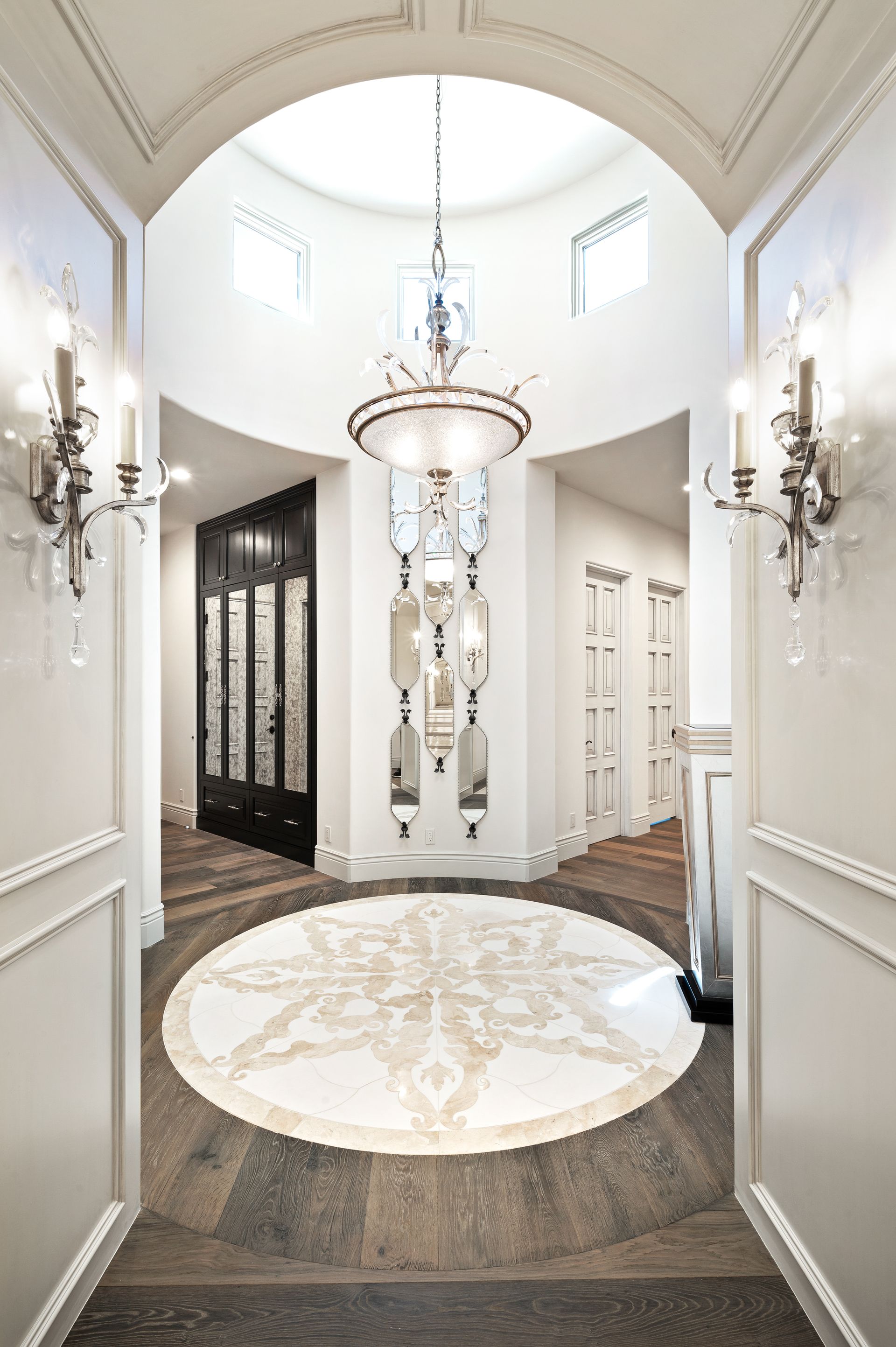
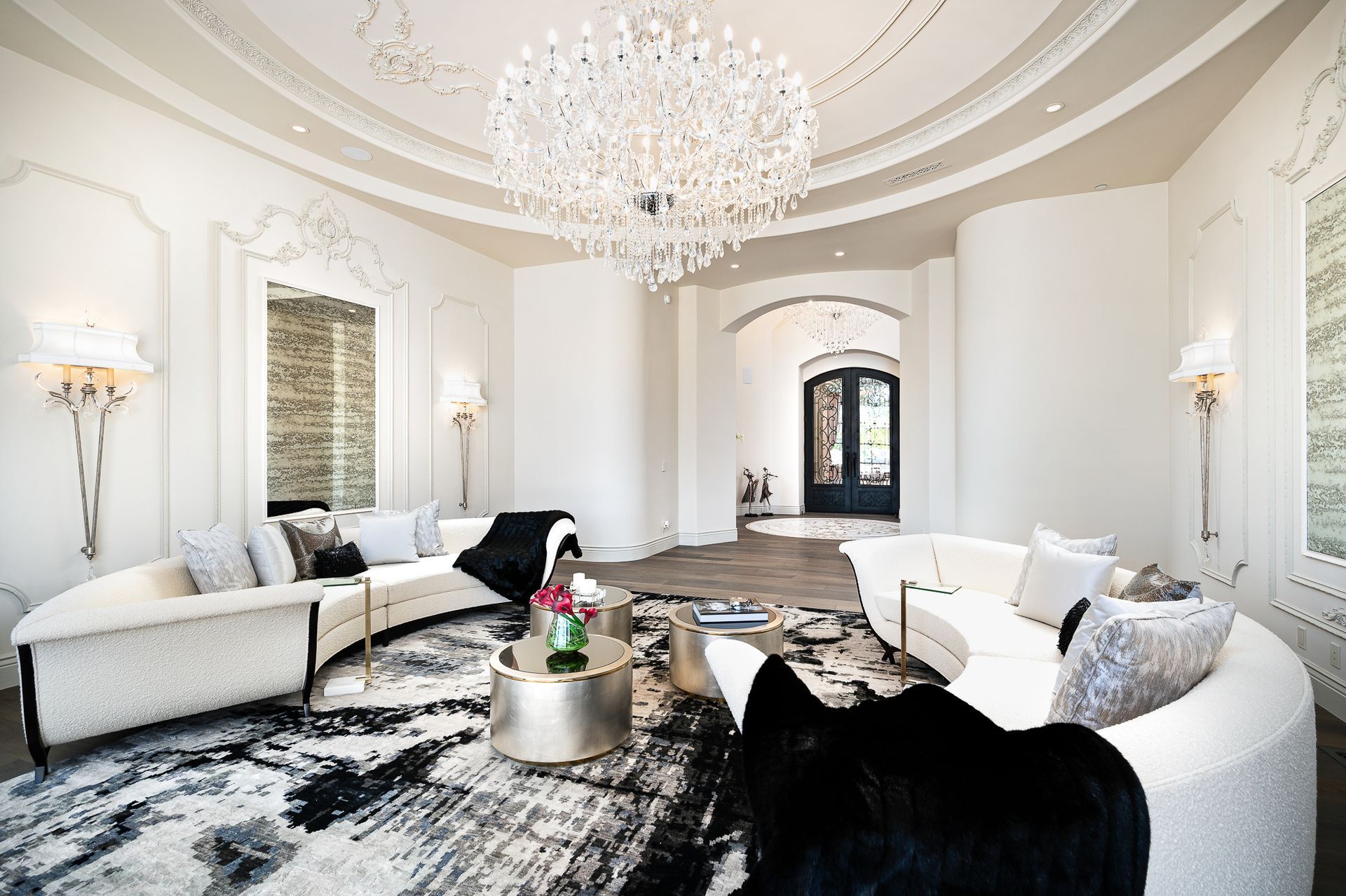
Barrel and dome ceilings celebrate architecture as art. A barrel ceiling features a continuous curve that adds movement and fluidity, while a dome ceiling centers attention and creates a breathtaking focal point.
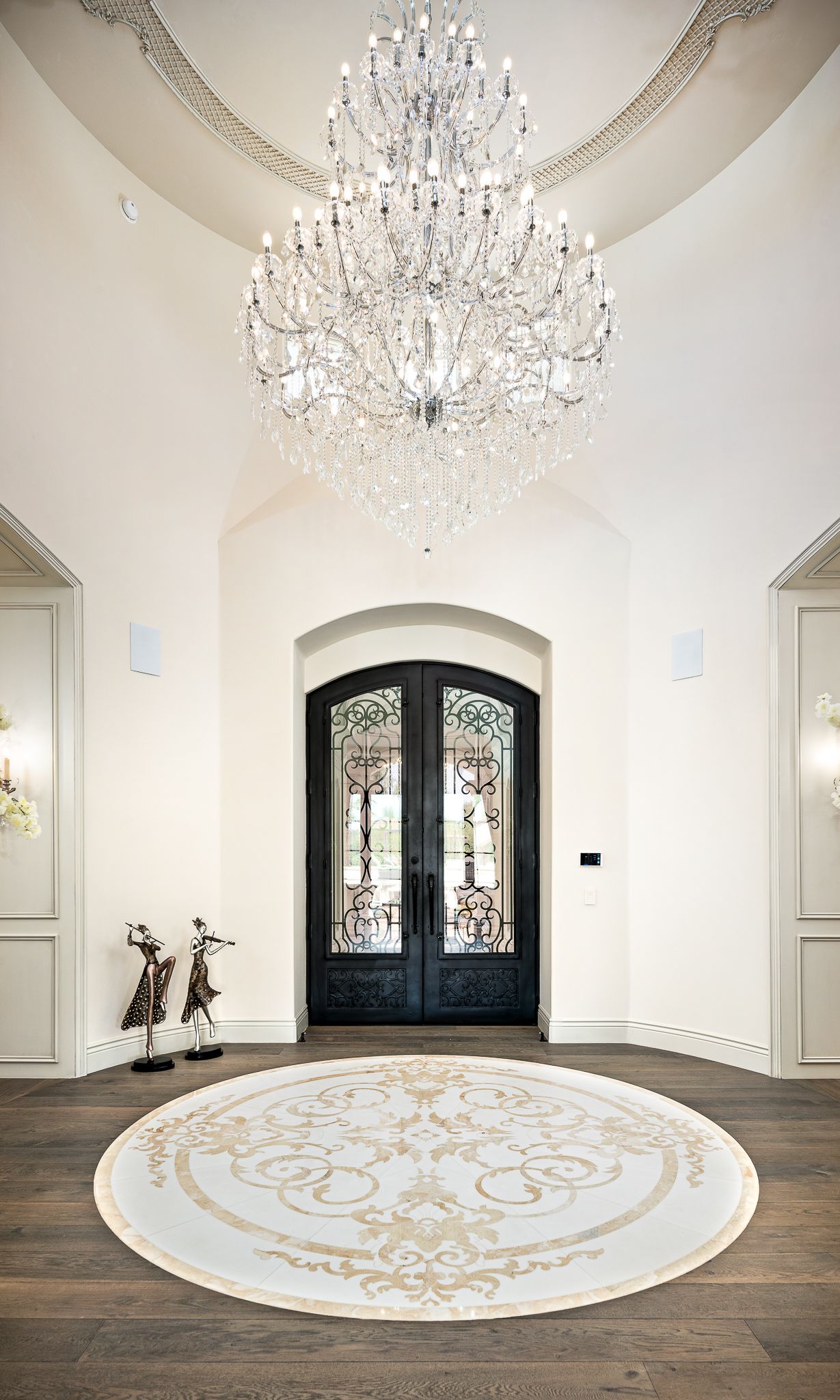
These ceilings are often found in grand entryways, hallways, or primary suites where they introduce drama and architectural significance. They are ideal for homes inspired by classical European, Mediterranean, or neoclassical design. When paired with fine finishes such as Venetian plaster, stone trim, or an ornate chandelier, the effect is nothing short of remarkable.
Materiality and Finish: Defining Texture and Tone
The material choices in a ceiling play a profound role in how a room is experienced. Texture, color, and reflectivity influence everything from lighting to mood. At Fratantoni Design, we approach materials not only as decorative layers but as essential architectural components that shape the identity of a home.
Wood introduces warmth and texture, creating a natural connection between the architecture and its environment. Beamed ceilings add structure and rhythm, whether stained to reveal natural grain or painted to blend seamlessly into the space.
Decorative plaster adds elegance and heritage. Hand-troweled finishes, ornamental moldings, and subtle cornices bring refinement to both traditional and transitional designs. For modern architecture, smooth plaster with sharp shadow lines produces a sculptural quality that feels effortless yet meticulously planned.
Metallic finishes such as gold, bronze, or silver leaf add a luminous quality, reflecting light softly and enhancing dimension. Glossy paint or lacquer expands brightness and height, while matte finishes provide intimacy and sophistication. Every decision is guided by balance, proportion, and the natural light of the room.
The Interplay of Light and Architecture
Light reveals the architecture of a ceiling. It accentuates form, creates depth, and sets the emotional tone of the space. The way light interacts with architectural detailing defines the success of a ceiling’s design.
Natural light from windows and skylights enhances volume and texture during the day. At night, architectural lighting continues the story. Cove lighting gently illuminates tray or vaulted ceilings, while recessed fixtures maintain clean lines. Pendant lights and chandeliers act as sculptural anchors, reinforcing the geometry and rhythm of the space below.
Fratantoni Design often integrates lighting directly into ceiling architecture during the design phase. This ensures seamless coordination between structure, electrical planning, and visual composition. The result is a ceiling that glows with depth and intention, a work of art in its own right.
Color Psychology and the Ceiling’s Emotional Impact
Color has a powerful influence on perception and mood. On ceilings, it can redefine how a room feels. Lighter tones expand the sense of height, while deeper hues create intimacy. Subtle metallics add reflection and elegance, while soft neutrals maintain continuity and calm.
In grand spaces, pale ceiling tones amplify natural light and complement architectural scale. In more intimate rooms, muted or darker finishes create a sense of comfort and enclosure. The careful selection of color allows a ceiling to either blend harmoniously into the architecture or become an intentional point of contrast that elevates the entire design.
Ceiling Design Across the Home
Each space in a home presents unique opportunities for ceiling design.
In living rooms and great rooms, architectural ceilings define zones within open plans and establish a sense of proportion. In dining rooms, a dome or inset design draws attention to the chandelier and table, anchoring the room in formality. In bedrooms, soft tray ceilings and cove lighting create tranquility, while entryways and hallways benefit from intricate plasterwork or arches that announce arrival with grandeur. Even in bathrooms, dressing rooms, or corridors, thoughtful ceiling detailing contributes to a sense of continuity and craftsmanship throughout the home.
The Craftsmanship Behind Every Ceiling
At Fratantoni Design, craftsmanship is the cornerstone of every ceiling we create. Our architectural team works closely with artisans, builders, and finish specialists to achieve exacting precision in every curve, joint, and molding.
Each ceiling is carefully drawn, detailed, and engineered to align with the home’s proportions and structural requirements. Lighting integration, ventilation, and acoustics are considered early in the design process to ensure beauty never compromises function. The result is architecture that feels effortless, cohesive, and enduring.
A statement ceiling is not achieved through decoration alone but through mastery of proportion, geometry, and detail. It is a reflection of the client’s vision brought to life by exceptional design.
The Fratantoni Design Approach
Every ceiling designed by Fratantoni Design is guided by a single principle, harmony. Architecture should feel intentional, seamless, and emotionally resonant. Our approach ensures that ceilings are not independent features but integral components of the home’s architectural identity.
From the earliest conceptual sketches to final construction, we collaborate closely with our clients, tailoring every ceiling to their vision and lifestyle. Our experience designing luxury residences across the nation has taught us that ceilings hold the power to transform the ordinary into the extraordinary.
We approach each project with the same philosophy: that true luxury comes from proportion, detail, and restraint. Every curve, beam, and molding is purposefully designed to create spaces that feel balanced, timeless, and unforgettable.
Call to Action
Ready to begin designing your dream home?
Contact Fratantoni Design today to collaborate with our team of world-class home plan designers and bring your vision to life with statement ceilings that elevate luxury living from above.
Contact Us