

Why Architects Should Be Involved Before Interior Design in Luxury Homes
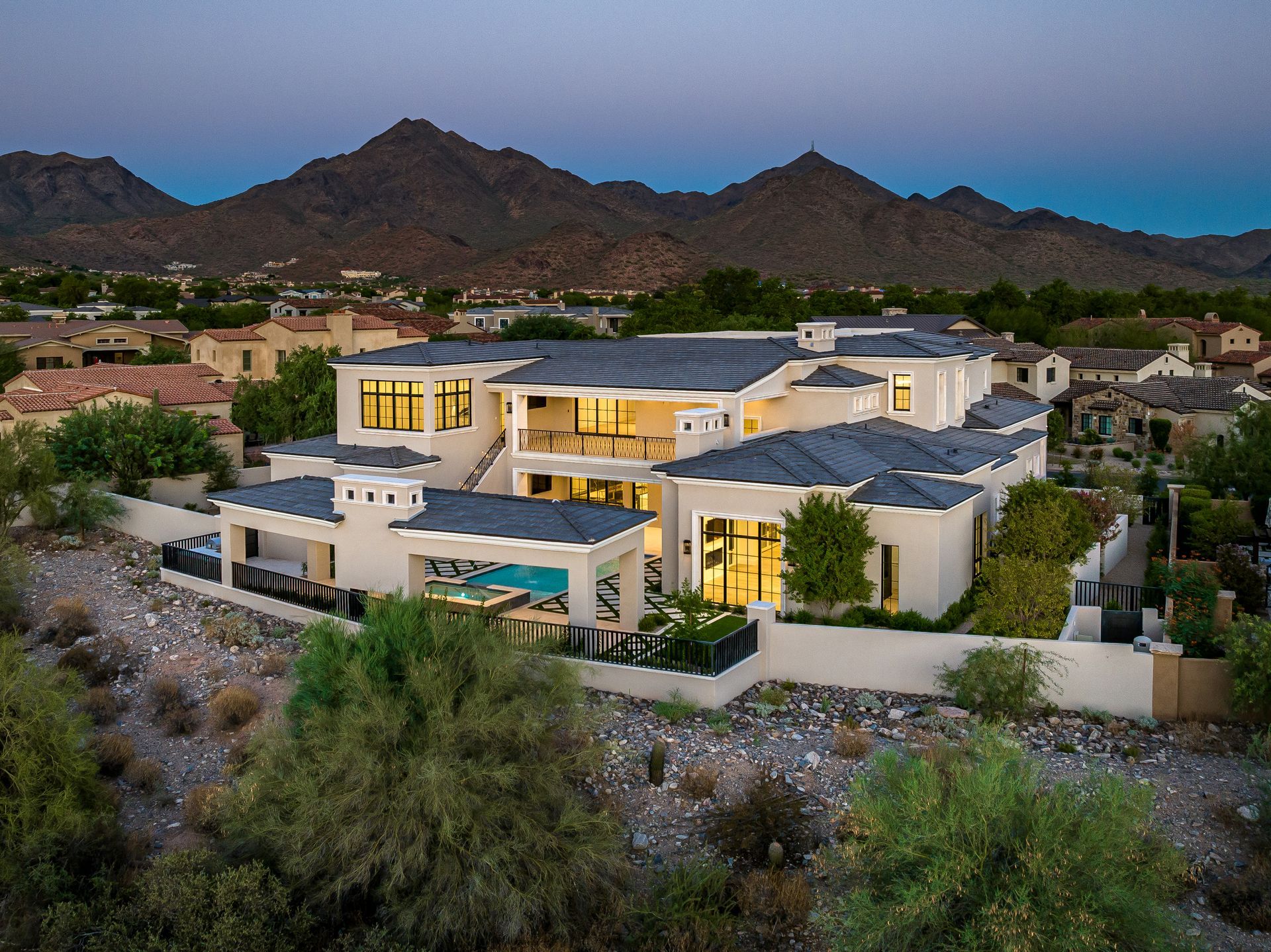
When building or remodeling a luxury home, the order in which professionals are brought into the process matters. One of the most common and costly mistakes homeowners make is involving interior design before architectural planning is fully developed. While interior design plays a critical role in how a home looks and feels, architecture is the foundation that determines how a home functions, flows, and endures.
At Fratantoni Design, we believe architects should be involved before interior design begins. This approach ensures that the home’s structure, layout, and proportions are thoughtfully planned to support both aesthetics and livability from the start.
Architecture Defines the Framework of the Home
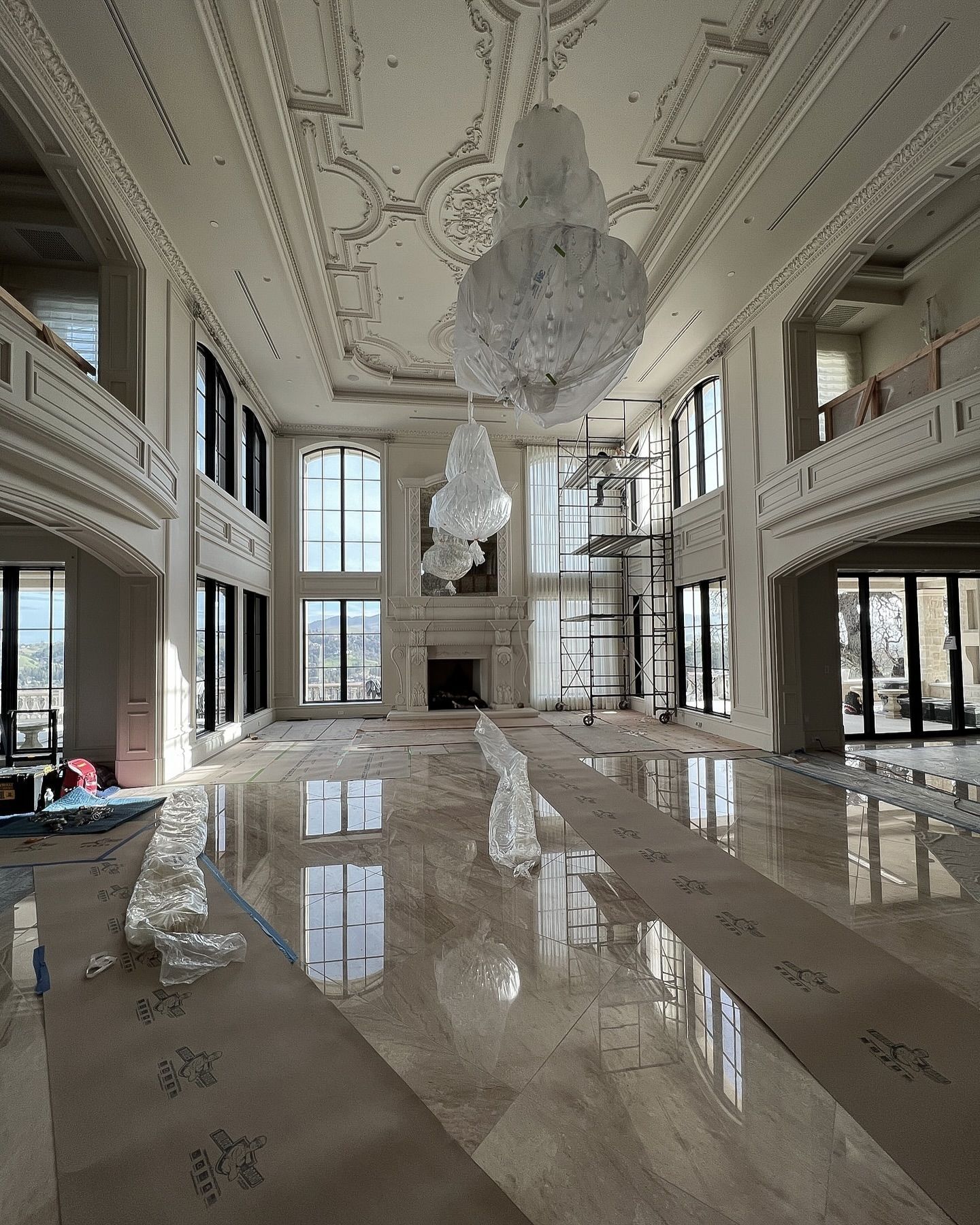
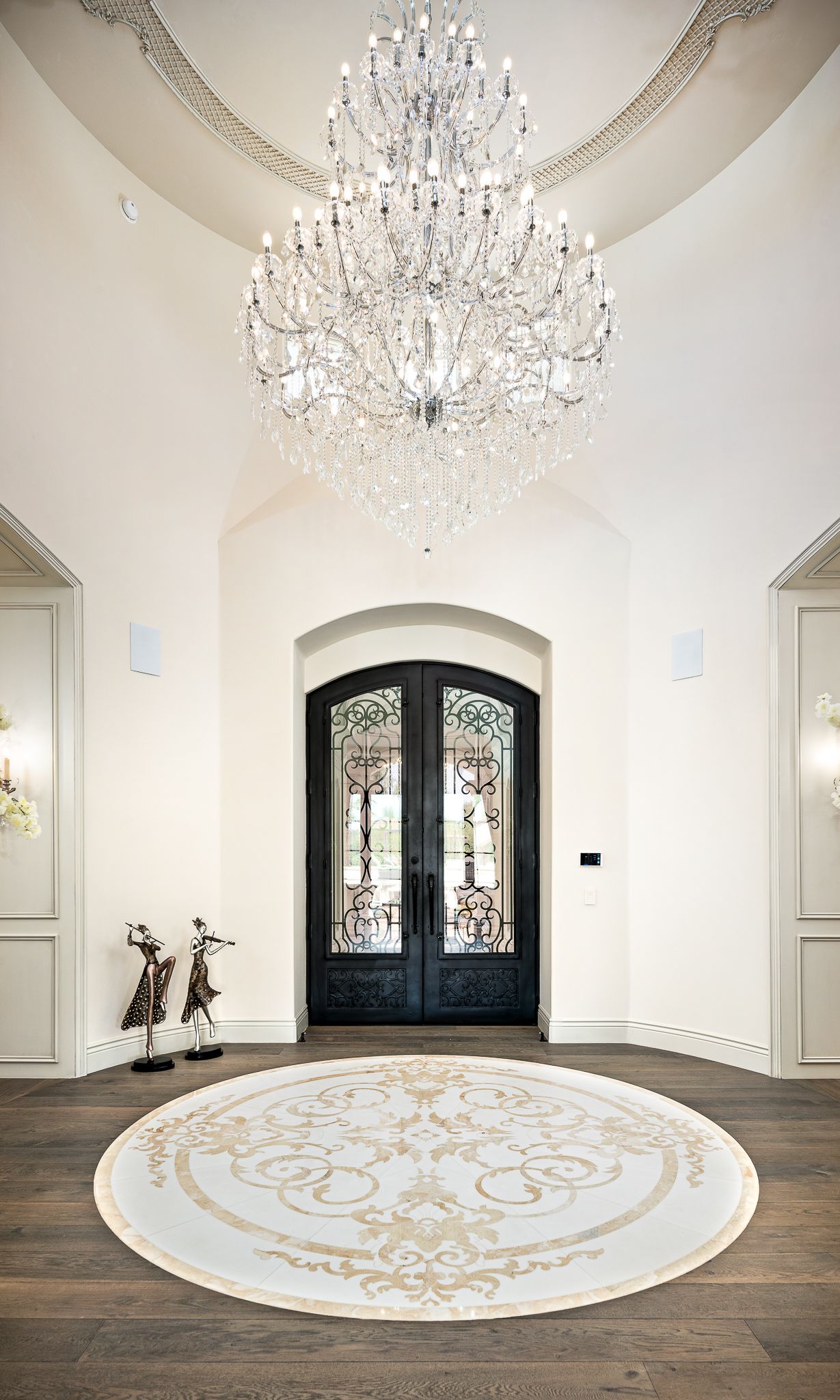
Architecture establishes the bones of the home. Floor plans, ceiling heights, window placement, wall thicknesses, and structural systems all shape what is possible inside the space. Without this framework in place, interior design decisions often become constrained or require costly revisions.
When architects lead the early stages of a project, they create spaces that are proportioned correctly and designed with intention. This allows interior designers to enhance the home rather than work around structural limitations.
In luxury residential architecture, the goal is not simply to decorate a space but to design one that feels cohesive from the inside out.
Interior Design Works Best When Architecture Is Intentional
Interior design is most successful when it responds to well-planned architecture. Thoughtful room dimensions, natural light, circulation patterns, and ceiling volumes give designers the flexibility to create refined interiors without compromise.
When interior design is introduced before architectural planning, homeowners often fall in love with concepts that cannot be executed within the structural realities of the home. This can lead to frustration, redesigns, and unnecessary expense.
By prioritizing architectural planning first, the interior design process becomes more efficient and more creative, resulting in a home that feels effortless and balanced.
Early Architectural Planning Prevents Costly Changes
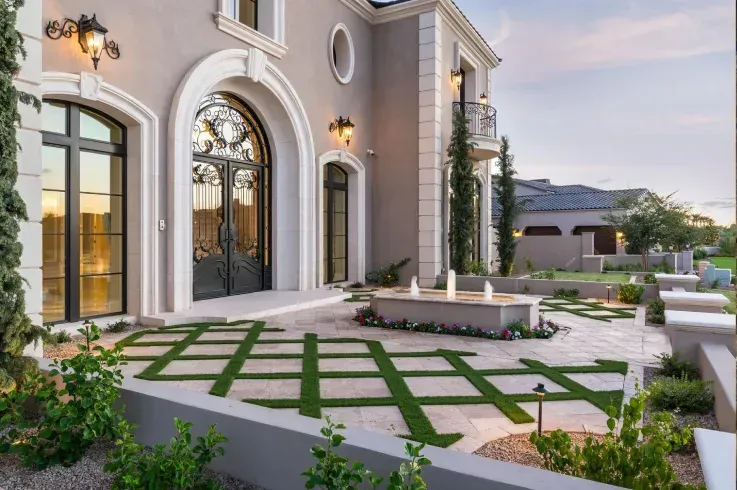
Changes made during construction are significantly more expensive than changes made on paper. One of the key benefits of involving architects early is the ability to identify and resolve design challenges before they become construction issues.
Architects consider structural loads, mechanical systems, building codes, and site conditions during the earliest phases of design. This foresight prevents conflicts that can arise later when interior elements are already specified.
For luxury homes, where customization is extensive, early architectural involvement protects both the design vision and the overall investment.
Architecture Shapes How a Home Lives
Luxury homes are designed around lifestyle. Architecture determines how spaces connect, how people move through the home, and how rooms relate to one another.
Architects think holistically about how the home functions on a daily basis. They consider privacy, acoustics, views, natural light, and the relationship between indoor and outdoor spaces.
When these elements are resolved early, interior design can focus on enhancing the experience rather than compensating for layout limitations.
Collaboration Works Best When Architecture Leads
The most successful luxury homes are the result of collaboration. When architects are involved first, they can set a clear vision that interior designers, builders, and engineers can align with.
At Fratantoni Design, architectural planning is integrated with interior design and construction expertise from the beginning. This collaboration ensures that every decision supports the overall intent of the home.
Rather than working in isolation, our teams collaborate to create homes that feel cohesive, refined, and thoughtfully executed.
Structural Decisions Impact Interior Design More Than Most Realize
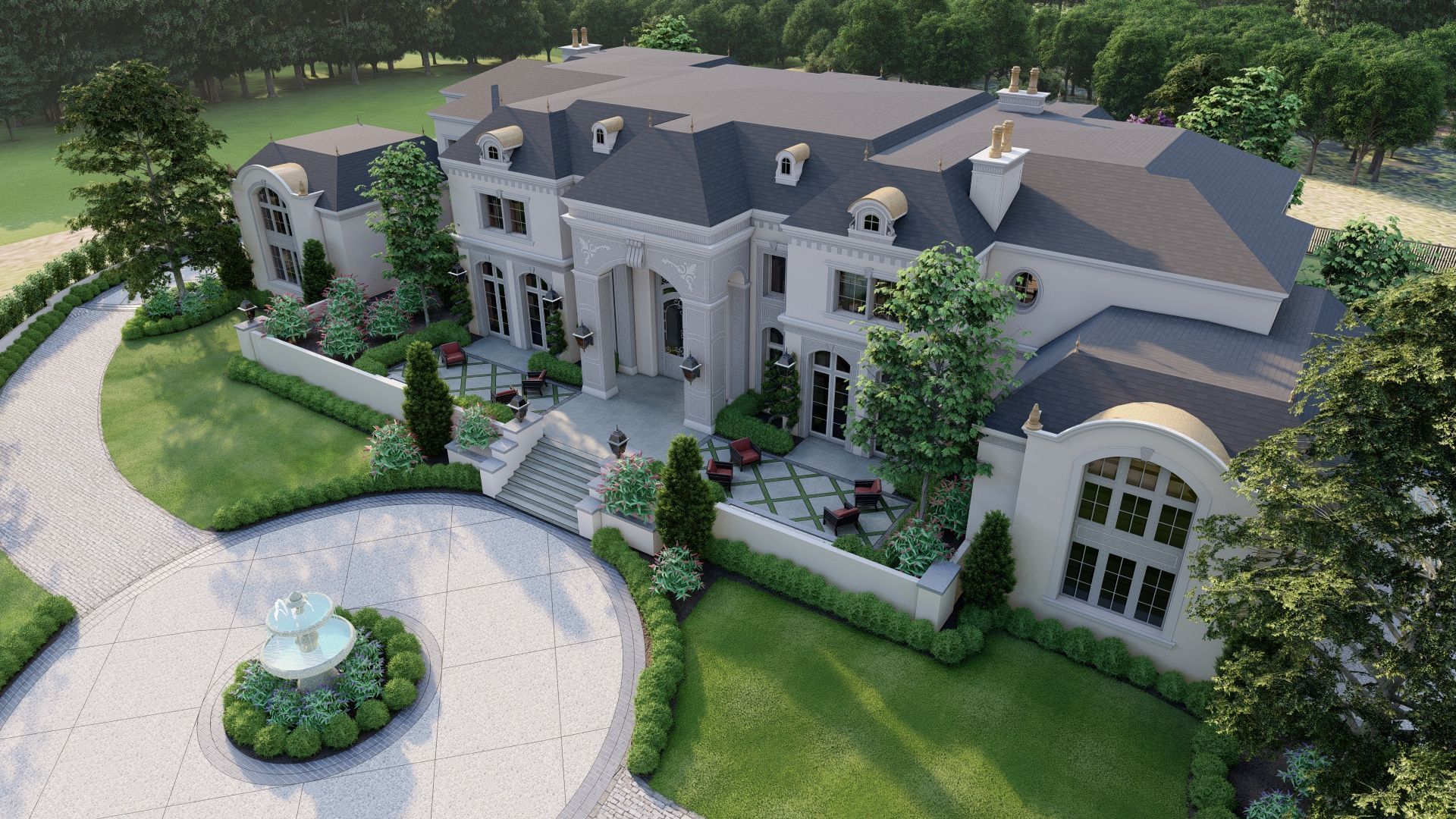
Ceiling heights, wall thicknesses, column placement, and window dimensions all influence interior design outcomes. These decisions are architectural in nature and must be resolved before interior design concepts are finalized.
When architecture is thoughtfully planned, interior designers can select materials, finishes, and furnishings with confidence, knowing the structure supports their vision.
This alignment leads to interiors that feel intentional rather than adapted.
The Role of Architecture in Long-Term Value
A well-designed home should remain functional and desirable for decades. Architectural decisions have a lasting impact on a home’s value, adaptability, and longevity.
Homes with strong architectural foundations are easier to update over time, as they are not limited by awkward layouts or structural constraints. This long-term perspective is especially important in luxury residential design, where homes are often legacy properties.
By involving architects first, homeowners invest in a foundation that supports both present enjoyment and future flexibility.
Why an Integrated Approach Delivers Better Results
In luxury home projects, architecture, interior design, and construction should not operate independently. An integrated approach ensures that each discipline informs the others.
At Fratantoni Design, architectural planning leads the process, creating a framework that interior designers and builders can build upon seamlessly. This results in fewer revisions, better communication, and a more refined final outcome.
Clients benefit from clarity, efficiency, and a home that feels cohesive from concept through completion.
Building a Home With Intention From the Start
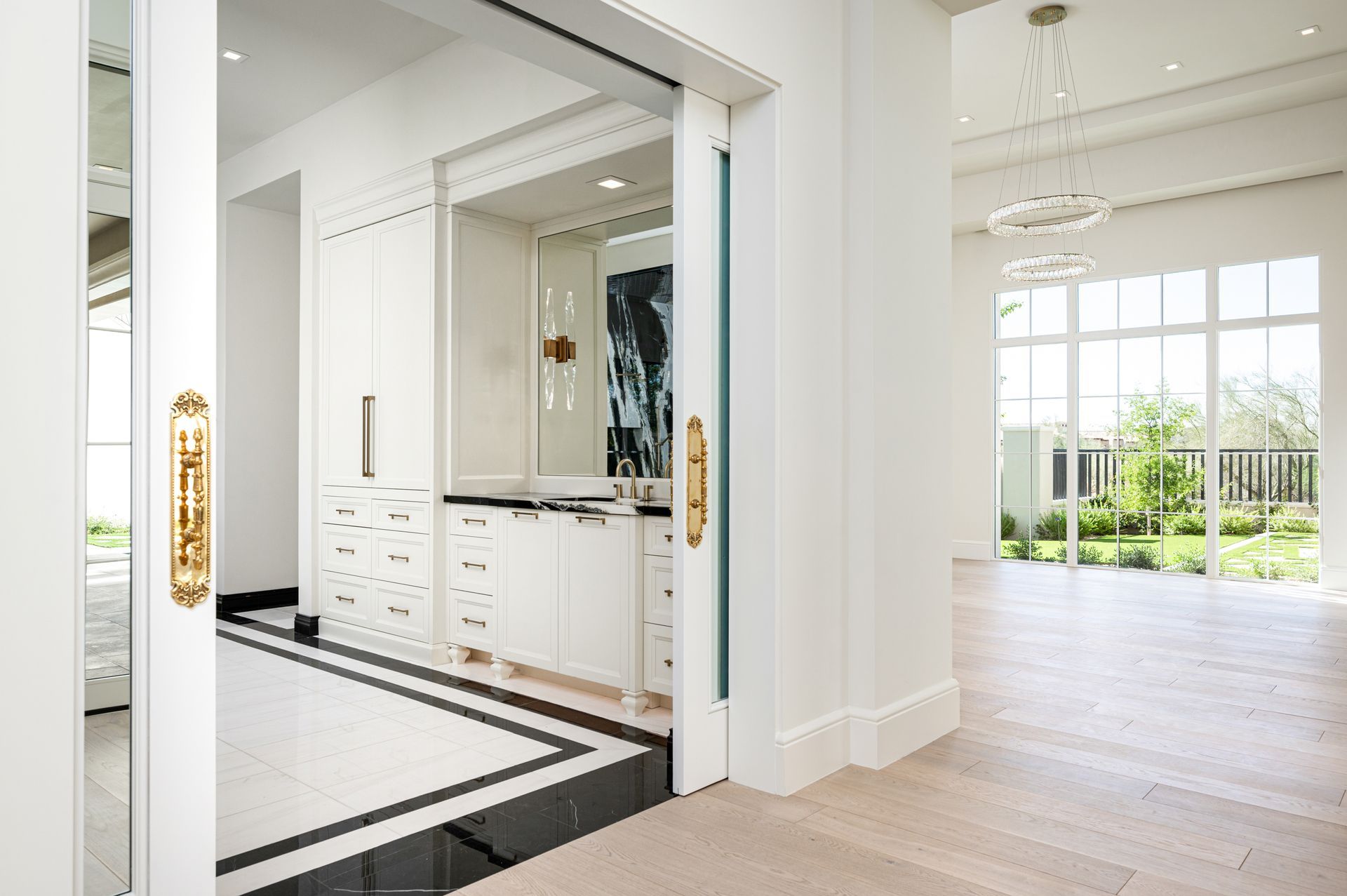
Architecture is not just the starting point of a project. It is the guiding force that shapes everything that follows. When architects are involved before interior design, the home is designed with intention, foresight, and purpose.
For homeowners seeking a luxury residence that balances beauty, function, and longevity, architectural leadership is essential.
Begin Your Luxury Home Journey With Fratantoni Design
If you are planning a custom home or luxury renovation, involving an architect early sets the stage for success. Fratantoni Design offers architectural expertise grounded in experience, collaboration, and a deep understanding of luxury residential design.
Architecture defines the home. Let Fratantoni Design guide the process from the very beginning and create a residence that is as thoughtful as it is beautiful.
Contact Us